What Is Steel Roof Coating and Why Is It Used on Metal Buildings?
Introduction:
A steel roof on a metal building often looks strong from the ground. The panels are hard, the structure is usually wide and simple, and many owners expect the roof to last for years with little attention.
However, most leaks on metal roofs don’t happen in the middle of a panel. They start at the weak spots — loose screws, rubber washers that have gone hard and cracked, panel overlaps, roof seams, skylights, pipe penetrations, rusted edges, areas where water pools, or old coatings that have given up.
That is why steel roof coating is used on many metal buildings.
Steel roof coating is not just paint. It is a roof restoration and protection system for prepared metal roofs. When the roof structure is still stable, a proper coating system can control leaks, slow down corrosion, protect against UV and weather, reflect heat, and extend the service life of the existing roof.
For factory owners, warehouse managers, farm building owners, roofers, and material suppliers, the question isn’t just “Which coating do I buy?”
A better question is: Is the steel roof still suitable for coating, and what system does it need before the final coating goes on?
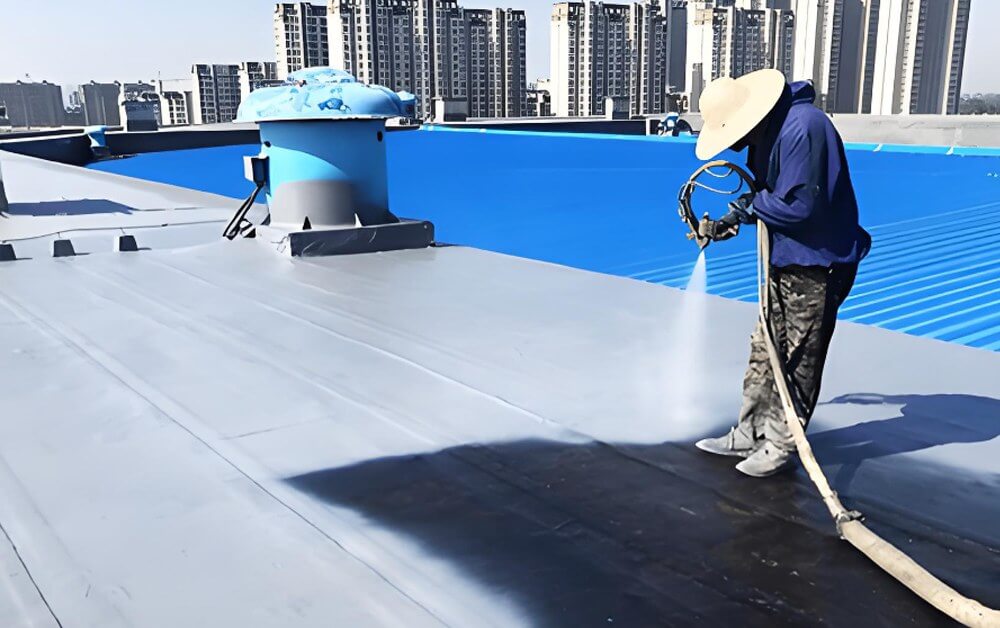
What Is Steel Roof Coating?
Steel roof coating is a liquid-applied waterproofing and protective material formulated for use on steel roofs, metal roofs, and metal building roof systems. Following application and curing, it forms a continuous protective film over the prepared roof substrate.
Its main functions include:
- Waterproof protection
- UV resistance
- Weather resistance
- Corrosion and rust control
- Reflects heat (with light-colored or reflective coatings)
- Roof maintenance and service life extension
A good steel roof coating is not used only to change the color of a roof. It is used to protect the roof surface and reduce roof-related problems when the metal substrate is still repairable.
That’s the difference between steel roof coating and ordinary metal paint. Paint might give you color or basic rust protection. Roof coating has to deal with sun, rain, temperature changes, seams, fasteners, penetrations, drainage, and years of outdoor exposure.
In many applications, the coating represents only the final visible component. The full system usually includes cleaning, rust treatment, fastener repair, seam sealing, primer, reinforcement fabric, and a maintenance plan.
Why Is Steel Roof Coating Used on Metal Buildings?
Metal buildings are everywhere — factories, warehouses, workshops, farm buildings, you name it. And their roofs take a beating every single day from sun, rain, wind, humidity, and temperature changes.
Steel roof coating is used because it helps solve several common roof problems without immediately replacing the entire roof.
To Seal Leaks Around Fasteners and Seams
Fasteners and seams are among the most common leakage points on steel roofs.
Over time, screws may loosen. Rubber washers may age. Panel overlaps may open slightly because of thermal movement. Ridge caps, flashings, skylights, and pipe penetrations may also become weak points.
A roof coating system helps only when these details are treated first. The usual repair logic is:
- Check fasteners and seams.
- Replace any screws that are loose or failed.
- Seal fastener heads, overlaps, seams, and penetrations.
- Apply the full roof coating layer.
If a contractor applies coating over the roof without treating the details, the roof may still leak.
To Reduce Rust and Corrosion Risk
Steel roofs deal with rainwater, humidity, salt air, industrial pollution, and condensation. Rust eats away at the surface and creates future leak points.
Rusted areas require cleaning — brushing, sanding, or other mechanical preparation — prior to coating. Severely corroded panels may need localized replacement. In many systems, an anti-rust primer is specified before the primary waterproof coating.
The purpose of the coating is to reduce direct contact between the metal surface and water, oxygen, and weather. This can help slow further corrosion when the substrate is still in repairable condition.
To Extend Roof Service Life Without Immediate Replacement
For many building owners, replacing a whole metal roof is expensive and disruptive. It may affect factory operation, warehouse storage, or daily business.
If the roof structure is still stable and the damage is mainly related to leaks, surface aging, minor rust, seams, or old coating failure, steel roof coating may be used as a roof restoration option.
It is not a magic repair for every roof. But for the right roof, it can help extend service life and delay full replacement.
To Improve UV and Weather Resistance
Steel roofs undergo thermal expansion and contraction. They are also subjected to UV radiation, wind, precipitation, and mechanical stress.
A suitable roof coating should have enough flexibility and weather resistance to handle normal roof movement. This is especially important around seams, fasteners, and overlaps.
For exposed roofs, UV resistance should not be ignored. In high-sunlight regions, the coating system must be selected for the real outdoor environment, not only for price.
To Reduce Heat Absorption on Metal Buildings
Metal roofs soak up heat and push it inside the building. In hot climates, that means uncomfortable factories and warehouses — plus higher cooling bills.
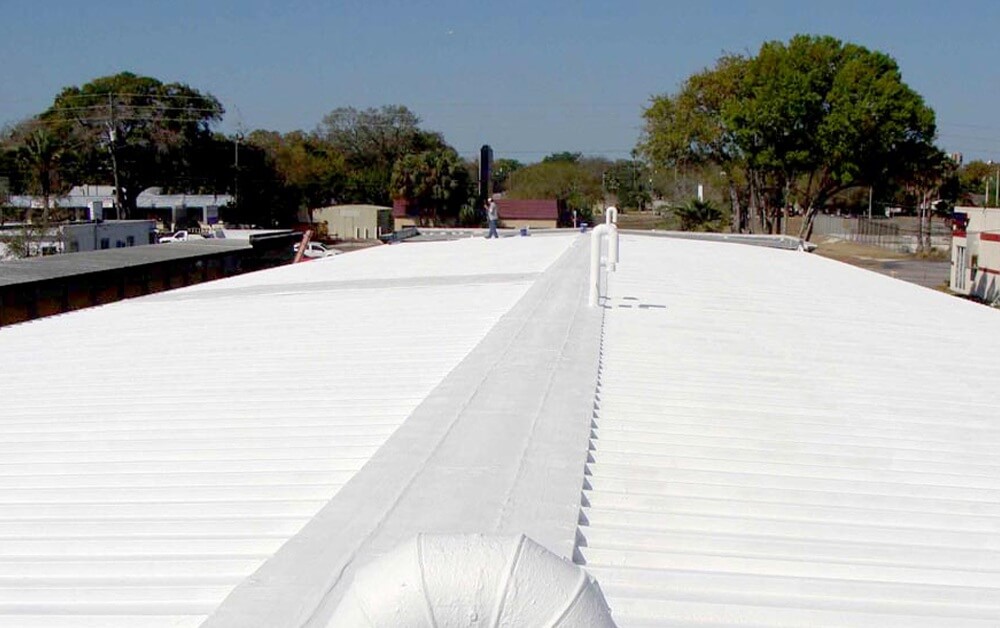
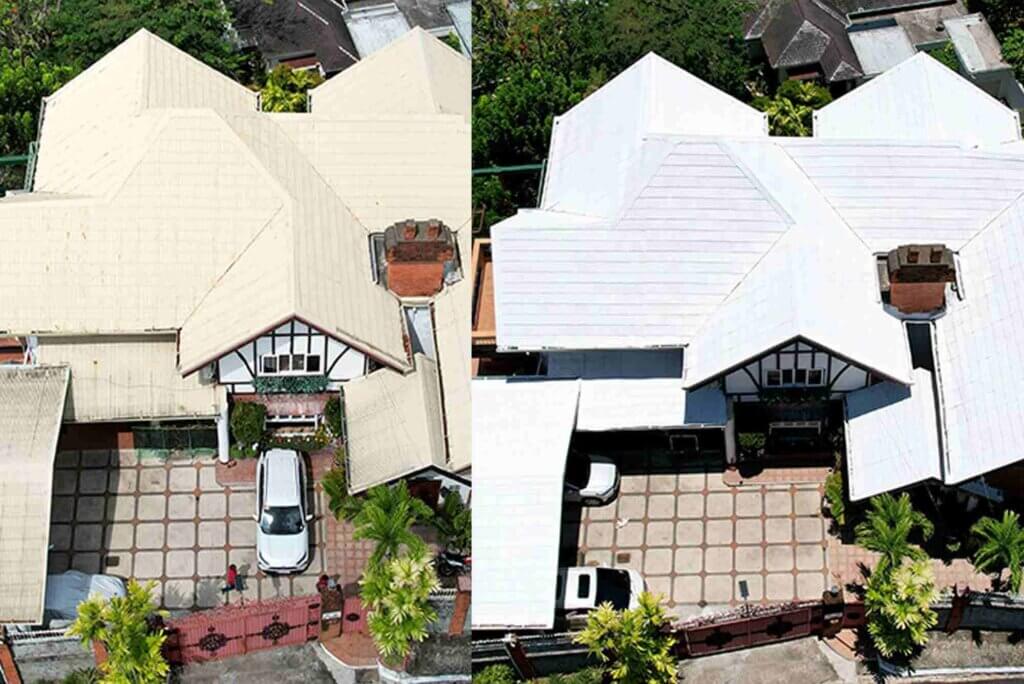
White or reflective steel roof coating helps by bouncing more sunlight back. That’s why white acrylic waterproof coating is a popular choice for metal roof maintenance in hot, sunny areas.
But reflective performance isn’t automatic. It depends on several factors: coating color, surface cleanliness, local dust, pollution, roof slope, climate, and maintenance. A white roof coating should be kept reasonably clean to maintain better reflectivity over time.
Steel Roof Coating vs Ordinary Metal Paint
Many buyers ask whether steel roof coating is just another type of paint. No, it’s not.
Different Purpose
Ordinary metal paint is often used for color, appearance, or basic anti-rust protection. Steel roof coating is used for waterproofing, weather protection, and roof restoration.
On a metal building roof, waterproof continuity is more important than color. A white surface may look clean, but the real value is the combination of waterproof film, detail sealing, weather resistance, and heat reflection.
Different Film Performance
A roof coating must perform under more demanding conditions than ordinary paint. Key requirements include elasticity, UV resistance, water resistance, crack-bridging capability, and long-term weather durability.
Metal roofs also undergo thermal movement. Where coating systems lack sufficient flexibility or where roof details are inadequately reinforced, cracks and leaks are likely to recur.
Different System Requirements
Steel roof coating is usually part of a system. The system may include:
- Roof cleaning
- Rust treatment
- Fastener repair
- Seam sealant
- Detail reinforcement
- Anti-rust primer
- Full coating application
- Final inspection
Ordinary paint may not require the same level of roof diagnosis and detail treatment. This is one of the main reasons roof coating should be treated as a restoration system, not simply as surface coloring.
Common Problems on Steel Roofs Before Coating
Before buying or applying any steel roof coating, the roof should be checked carefully. The coating can only perform well when the surface and details are prepared correctly.
Loose or Aging Fasteners
Small but deadly. Loose screws, cracked washers, missing fasteners — fix them before coating.
Fastener heads need sealing as part of detail waterproofing.
Open Seams and Panel Overlaps
Metal roofs expand and contract. Gaps open up. Even small gaps let in wind-driven rain.
Seams may need sealant, fabric reinforcement, or extra coating thickness.
Rust, Corrosion and Old Coating Failure
Rust, chalking, peeling, dust, weak layers — all kill adhesion. If the coating does not bond well, it may peel or blister later.
Surface preparation is a critical step. Rusted areas may also require application of an anti-rust primer prior to the primary waterproof coating.
Poor Drainage and Ponding Water
Poor drainage increases coating stress. Low areas, gutters, outlets, and roof edges should be checked before coating.
Not every roof coating is suitable for long-term ponding water. If the roof has severe drainage problems, the drainage should be improved before relying on coating.
Roof Penetrations and Flashings
Skylights, vents, pipes, HVAC supports, wall connections, and flashing details are common leak sources.
These details should be treated before the main coating layer. In many roof failures, the problem is not the field area of the roof, but the details.
Main Types of Coatings Used for Steel Roofs
No single coating formulation is universally optimal for all steel roof applications. Selection depends on roof condition, climate, UV exposure, leakage points, drainage characteristics, application methodology, and budgetary considerations.
Acrylic Steel Roof Coating
Acrylic roof coating is commonly specified for reflective roof maintenance and restoration. White acrylic waterproof coating is particularly prevalent in hot and sunny climates due to its ability to reflect solar radiation and reduce heat absorption.
For metal roofs, acrylic waterproof coating can be a practical option when:
- The roof structure is stable.
- The surface can be cleaned and prepared.
- Rust is controlled.
- Seams and fasteners are treated.
- Long-term ponding water is not a major issue.
- The customer wants a reflective maintenance coating.
Acrylic coating is also relatively convenient to apply, making it suitable for roof renovation and maintenance projects.
Polyurethane Roof Coating
Polyurethane roof coating is often selected where toughness, flexibility, and durability are critical. It is appropriate for roof systems requiring enhanced mechanical performance beyond that of basic maintenance coatings.
The correct formulation and system should be selected according to the roof environment.
Polyurea Roof Coating
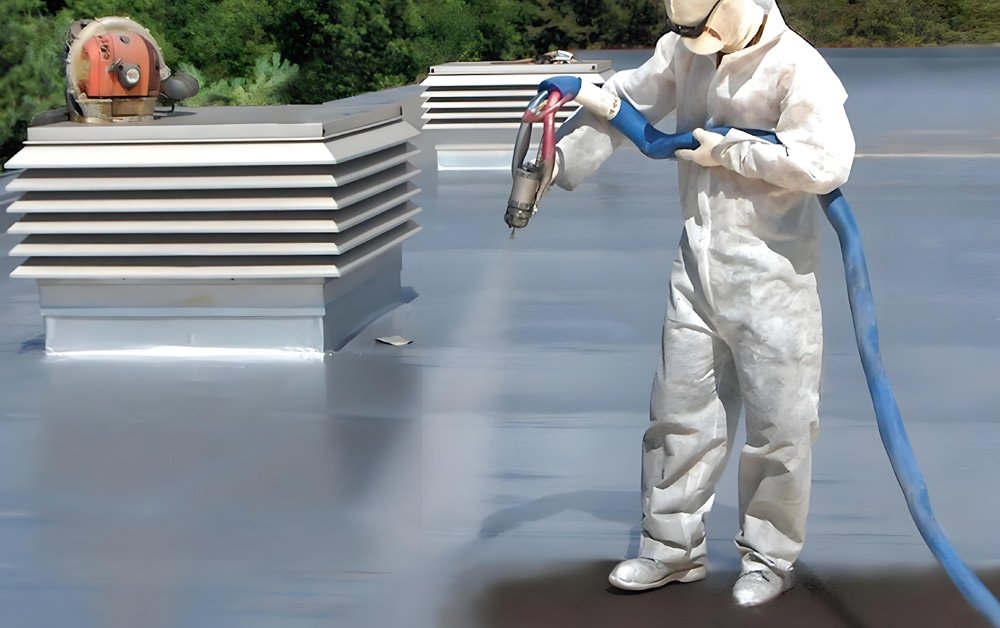
Polyurea roof coating can offer high elasticity, strong waterproofing, and fast application in suitable projects. Spray polyurea is often used where professional equipment and trained crews are available.
For exposed metal roofs, UV resistance must be considered. Manual-applied polyurea may also be used for smaller or equipment-limited areas.
Polyurea should be selected based on project conditions, not simply because it is a high-performance material.
Silicone Roof Coating
Silicone roof coating is often used for UV exposure and some roof conditions involving ponding risk. It has good weather resistance, but its surface may collect dust more easily. Recoating and maintenance should also be considered.
Hybrid or System-Based Roof Coating
In real projects, the best solution may not be one coating only.
A metal roof system may use sealant on seams, reinforcement fabric on details, anti-rust primer on corrosion areas, and a reflective coating over the main roof surface.
This system-based approach is usually more reliable than selecting one product without roof diagnosis.
When Steel Roof Coating Is Suitable — and When It Is Not
Steel roof coating is useful, but it is not suitable for every roof.
Suitable Conditions
Steel roof coating may be suitable when:
- The metal roof structure is stable.
- The panels are not severely corroded or broken.
- Leaks come from fasteners, seams, overlaps, or details.
- Rust can be cleaned and treated.
- Old coating can be cleaned or removed where needed.
- Drainage is generally acceptable.
- The owner wants to extend roof life instead of replacing the roof immediately.
- The contractor can complete surface preparation and detail sealing.
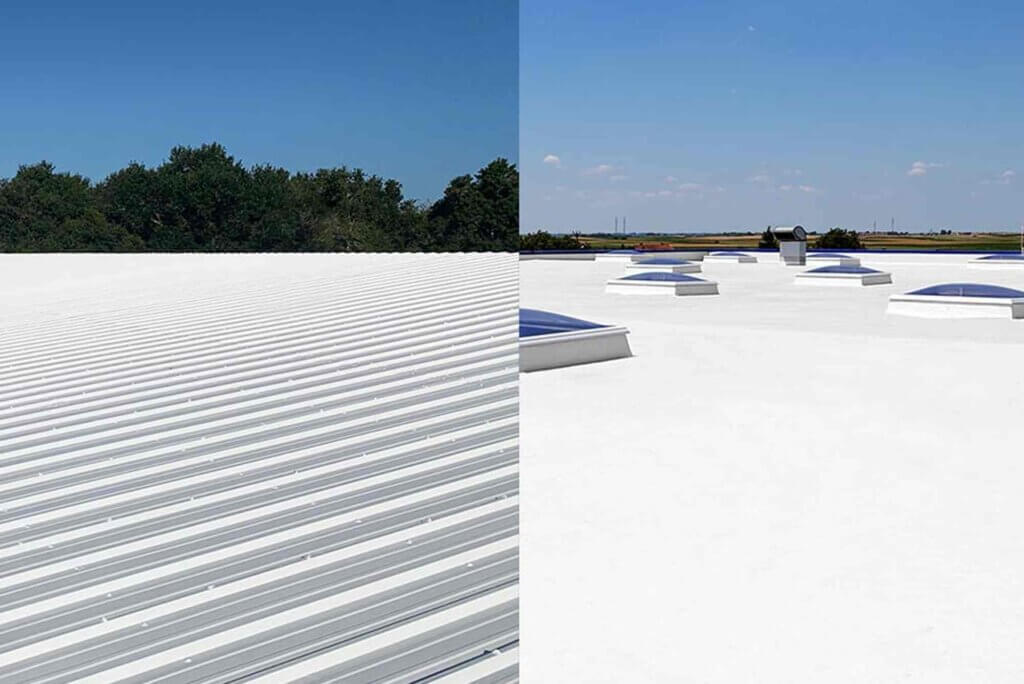
In hot climates, a white reflective coating may also help improve roof surface performance and indoor comfort.
Not Suitable Without Repair
Steel roof coating should not be applied directly when:
- Metal panels have large corrosion holes.
- The roof structure is unsafe.
- Panels are badly deformed.
- The fastening system has failed.
- Severe ponding water remains unresolved.
- Old coating is peeling over large areas.
- Rust is too severe for surface treatment only.
In these cases, local replacement, structural repair, or drainage correction should be done first.
Recommended Steel Roof Coating System for Metal Buildings
A practical steel roof coating system follows a clear sequence.
Step 1 — Roof Inspection and Leakage Diagnosis
Prior to coating, a comprehensive roof inspection should be conducted. Fasteners, panel seams, overlaps, ridge caps, flashings, penetrations, gutters, corroded areas, and existing coatings should all be assessed.
The objective is to identify actual leakage sources and determine whether the roof is a suitable candidate for coating.
Step 2 — Cleaning, Rust Treatment and Surface Preparation
Surface must be clean, dry, stable, and bondable. Remove dust, grease, loose coating, rust scale, weak material.
Surface preparation is often the single most important factor in determining coating service life. Omission of this step to expedite application may result in subsequent peeling or premature failure.
Step 3 — Fastener, Seam and Penetration Sealing
Fasteners, seams, overlaps, and penetrations should be sealed before the full roof coating goes on.
These details may need sealant, reinforcement fabric, local coating, or extra thickness.
Step 4 — Primer or Anti-Rust Primer
Some steel roofs need primer. Rusted areas often need anti-rust primer. Different metal surfaces may require different primers.
Primer improves adhesion and helps support corrosion protection. It should not be removed from the system only to reduce cost.
Step 5 — Full Roof Coating Application
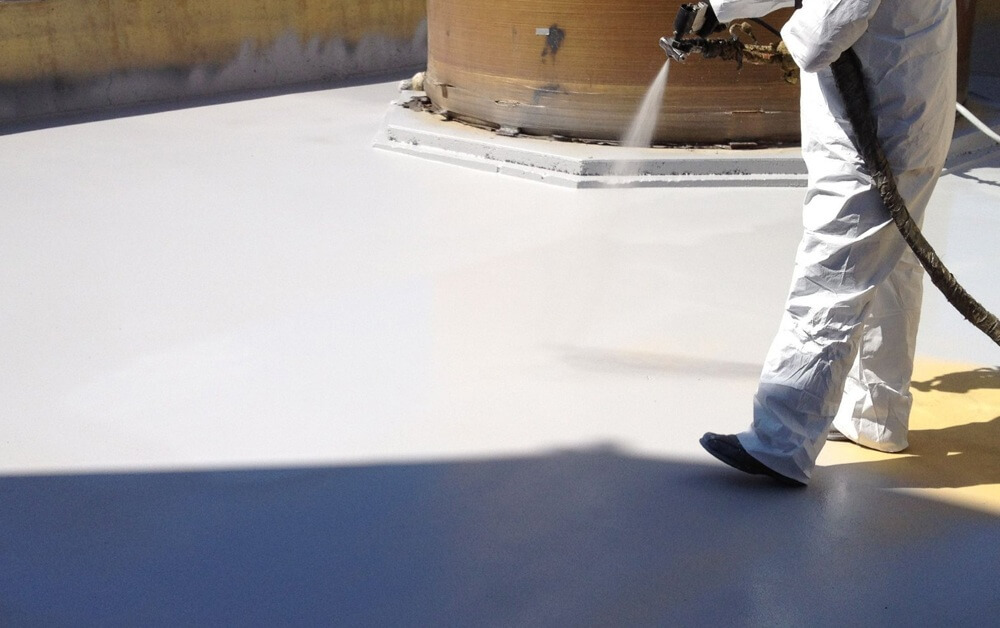
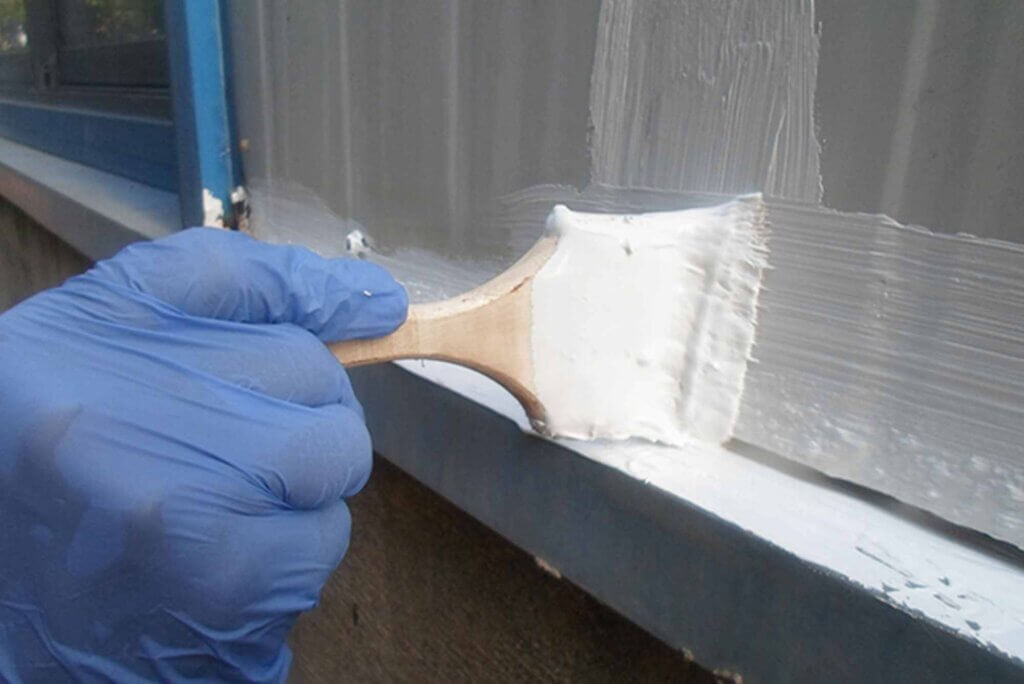
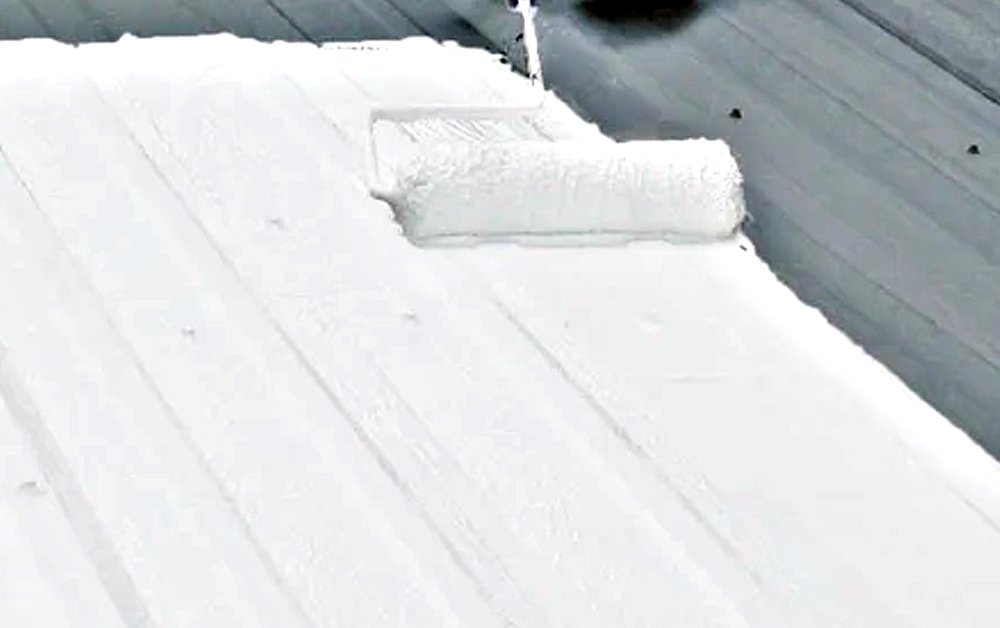
After details are treated, apply the full steel roof coating by brush, roller, or spray. Control the application rate and film thickness according to the product instructions.
For hot and sunny regions, white acrylic waterproof coating may be selected as the final reflective roof coating.
Step 6 — Final Inspection and Maintenance Plan
After coating, inspect thin areas, missed spots, pinholes, seams, fasteners, and penetrations.
A maintenance plan is also important. Clean gutters, inspect fasteners, and keep reflective coatings reasonably clean so they can continue to perform well.
Case Example: Puerto Rico Metal Roof Renovation with White Acrylic Waterproof Coating
Project Background
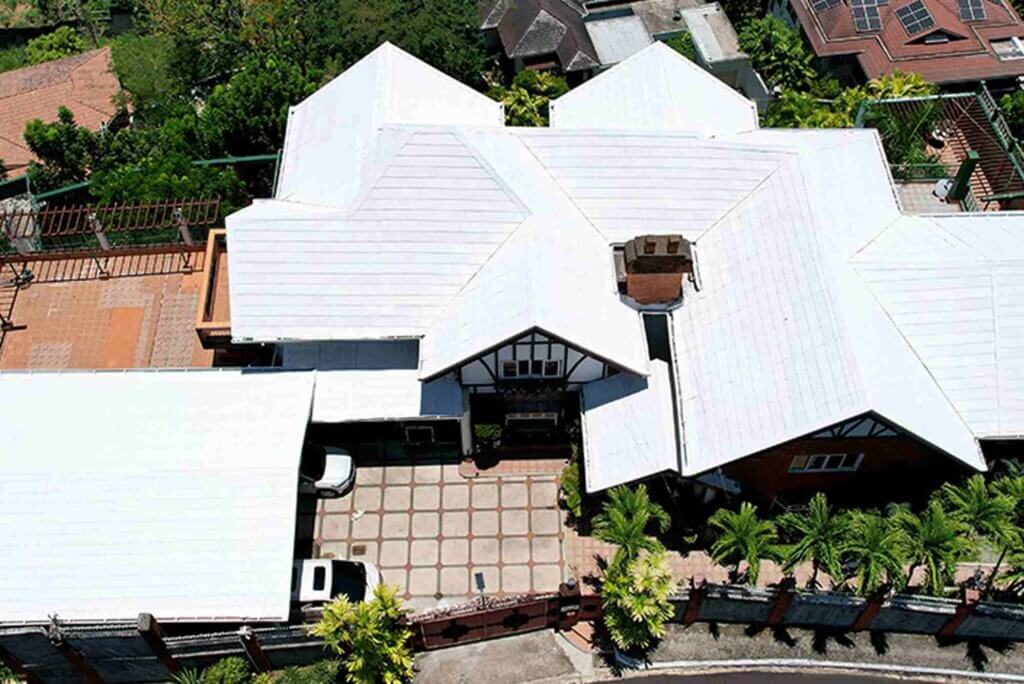
YURU Waterproof supported a customer in Puerto Rico with a metal roof renovation project. The building was located in a hot, humid, high-sunlight environment. The metal roof had long-term exposure to strong UV, rain, humidity, and temperature changes.
The customer wanted to improve waterproof protection, reduce roof heat absorption, and extend the service life of the existing roof without immediate full replacement.
The main concerns included:
- Long-term UV and rain exposure
- Risk around seams, screws, and aging details
- Need for metal roof waterproofing
- Interest in a white reflective roof surface
- Need for a practical maintenance coating
- Simple and efficient application for roof renovation
YURU Problem Review
YURU advised the customer not to treat steel roof coating as ordinary metal paint. For a metal building roof, the coating result depends on the complete system.
The project needed to consider:
- Whether the roof surface was clean and stable
- Whether fasteners and washers were aged
- Whether seams and overlaps had leakage risk
- Whether rusted areas needed treatment
- Whether old coating was chalking, cracked, or peeling
- Whether the final coating could form a continuous waterproof film
YURU recommended a practical sequence:
roof inspection → surface preparation → detail treatment → white acrylic waterproof coating application
Recommended Coating System
Based on the roof condition and Puerto Rico’s climate environment, YURU recommended white acrylic waterproof coating for the metal roof.
The material was selected because it matched several project needs.
Waterproof Protection
White acrylic waterproof coating can form a continuous waterproof film over the prepared metal roof surface. When seams, fasteners, and details are properly treated first, the coating helps reduce the risk of rainwater entering through weak roof areas.
Reflective Surface for Hot Climate
A white roof surface helps reduce solar heat absorption. For a hot and sunny region such as Puerto Rico, this can be valuable for metal buildings where roof heat affects the indoor environment.
Suitable for Roof Maintenance and Renovation
For a metal roof that is still structurally repairable, acrylic waterproof coating can be used as a roof restoration option. It helps the owner avoid immediate full roof replacement when the roof condition is suitable.
Practical Application
Acrylic waterproof coating is convenient for many roof maintenance projects. It can be applied over prepared metal roof surfaces with brush, roller, or spray depending on the jobsite.
Application Logic
The recommended application logic included five steps.
1.Roof Inspection
Check metal panels, screws, seams, overlaps, ridge caps, gutters, and penetrations.
2. Cleaning and Surface Preparation
Remove dust, oil, loose old coating, and rusted areas. Make sure the roof is clean, stable, and bondable.
3. Detail Waterproofing
Seal fasteners, overlaps, penetrations, ridge areas, and other weak points before full coating.
4. White Acrylic Waterproof Coating Application
Apply the coating over the prepared metal roof to create a continuous waterproof and reflective surface.
5. Final Inspection and Maintenance Advice
Inspect the finished surface and advise regular roof and drainage maintenance.
Result and Takeaway
The Puerto Rico customer finally used white acrylic waterproof coating for the metal roof renovation.
This case shows that steel roof coating is not just about making the roof white. It is about waterproofing, weather protection, heat reflection, and roof service life extension.
The key lessons are clear:
- Steel roof coating is not ordinary metal paint.
- Hot and sunny regions can benefit from white reflective roof coating.
- Acrylic waterproof coating is a practical option for metal roof renovation.
- Fasteners, seams, rust, and old coating must be treated before full coating.
- YURU can recommend a coating system based on local climate, roof condition, and project needs.
What to Confirm Before Buying Steel Roof Coating?
Before purchasing steel roof coating, confirm the roof condition and project requirements.
| Category | Questions |
| Roof Type | Corrugated steel? Standing seam? Galvanized? Color steel panel? |
| Leakage | Is the roof leaking? From fasteners, seams, penetrations, or rust? |
| Old Coating | Is there existing coating? Chalking, cracking, or peeling? |
| Damage | Severe rust? Metal perforation? Ponding water? |
| Performance Needs | Reflective heat reduction needed? Strong UV exposure? |
| Prep Needs | Anti-rust primer required? Seam reinforcement required? |
| Application | Brush, roller, or spray? White acrylic suitable for climate? |
| Documentation | TDS, MSDS, samples available? |
| Supply Needs | OEM/ODM, wholesale, or private-label packaging required? |
These questions help you avoid the wrong product and cut the risk of coating failure.
Why Choose YURU Waterproof for Steel Roof Coating Solutions?
YURU Waterproof is a professional manufacturer specializing in waterproof coatings, injection grouting materials, and engineering waterproofing systems. For steel roofs and metal buildings, we help customers choose the right coating system — based on roof condition, climate, leaks, UV exposure, corrosion, and application method.
YURU can provide:
- White acrylic waterproof coating for reflective metal roof maintenance
- Acrylic waterproof coating for general roof waterproofing
- Polyurethane waterproof coating for flexible, durable roof protection
- Polyurea waterproof coating for high-elasticity and fast-application projects
- UV-resistant polyurea coating for exposed metal roofs
- Silicone waterproof coating for selected weathering and ponding-risk conditions
- Seam and fastener waterproofing support for roof details
Support services include sample testing, TDS, MSDS, application guidance, OEM/ODM, packaging customization, wholesale supply, and private-label cooperation.
For contractors, distributors, importers, and project buyers, YURU recommend the right system for your specific project.
FAQs:
1. What is steel roof coating?
A liquid waterproofing and protective material for metal roofs. Cures to a continuous film. Protects from leaks, rust, UV, weather, and heat. Not just paint.
2. Why is steel roof coating used on metal buildings?
It is employed to seal roof details, reduce corrosion risk, enhance weather resistance, reflect solar radiation where light-colored coatings are specified, and extend the service life of repairable metal roofing systems.
3. Can roof coating stop leaks on a steel roof?
It can assist in mitigating specific leaks, but only where the actual leakage points are addressed first. Fasteners, seams, penetrations, corroded areas, and failed existing coatings should be repaired prior to full roof coating application.
4. Is white acrylic waterproof coating suitable for metal roofs?
Yes, where the metal roof is structurally stable, clean, repairable, and properly prepared. White acrylic waterproof coating is particularly suitable for hot and sunny regions where both waterproofing and heat reflectance are priorities.
5. Does YURU Waterproof provide steel roof coating solutions?
Yes. YURU Waterproof supplies white acrylic waterproof coating, acrylic waterproof coating, polyurethane waterproof coating, polyurea waterproof coating, UV-resistant coatings, silicone waterproof coating, and metal roof detail waterproofing support. Support services include sample testing, technical documentation, OEM/ODM, and wholesale supply.
Conclusion:
Steel roof coating is used on metal buildings because it protects roofs from leaks, rust, UV, weather, and heat absorption — as long as the roof is still in coatable condition.
It is not just a color finish.
A reliable steel roof coating project should follow this logic:
inspection → surface preparation → rust treatment → detail sealing → primer → steel roof coating → maintenance
In hot and sunny climates, white acrylic waterproof coating offers a practical option for metal roof renovation, particularly where both waterproofing and heat-reflective performance are desired.
However, coating should not be employed to conceal significant roof damage. Where metal panels are severely corroded, deformed, or structurally compromised, repair or replacement should be undertaken prior to coating.
If you are looking for steel roof coating for metal buildings, YURU Waterproof can help you choose a suitable coating system based on your roof condition, local climate, leakage points, and project goals.
Contact YURU Waterproof to discuss steel roof coating for metal buildings, white acrylic waterproof coating for metal roof, reflective roof coating, metal roof waterproof coating, UV-resistant roof coating, seam and fastener waterproofing details, sample testing, OEM/ODM supply, and project-based roof coating system selection.
YURU Product solutions