What Is the Best Grouting Solution for Tunnel Leakage Repair?
Introduction:
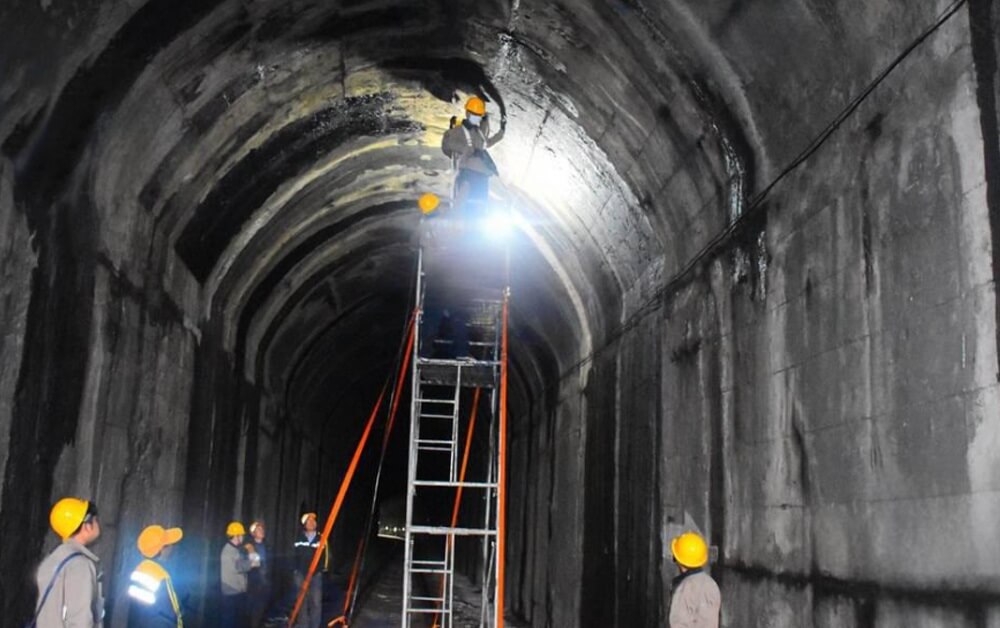
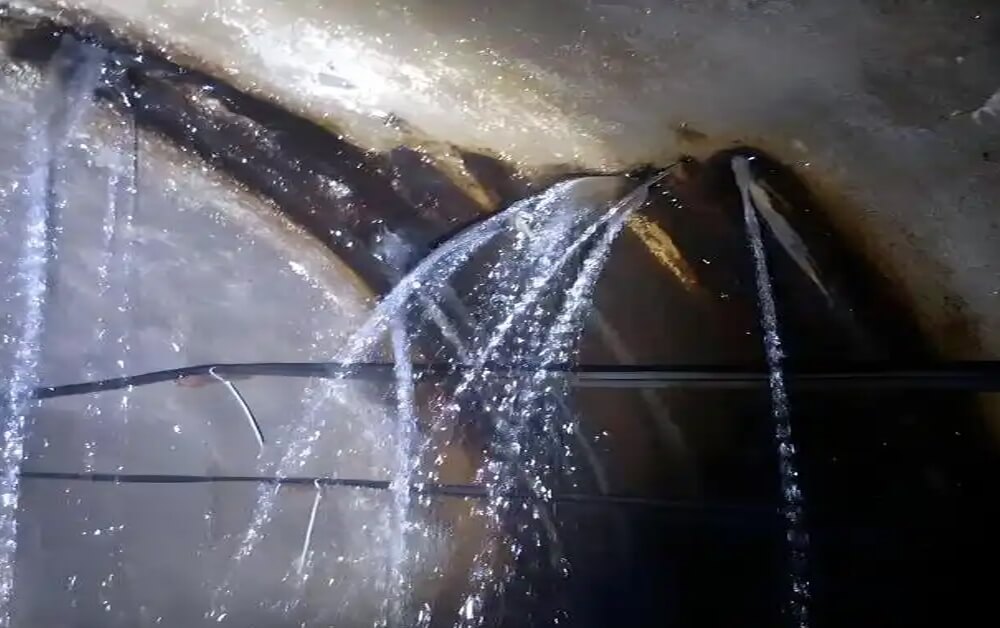
Tunnel leakage is a nightmare. Not the occasional drip, the kind of water ingress that never stops. It erodes concrete, it rusts reinforcement. It disrupts operations. And it costs a fortune to fix.
Whether in metro systems, highway tunnels, or railway infrastructure, water finds its way in. And once it does, it doesn’t leave on its own.
So when engineers and contractors ask, “What is the best grouting solution for tunnel leakage repair?”
The answer is not as simple as choosing a single material. Effective tunnel waterproofing comes down to four things:
- Accurate diagnosis
- Appropriate material selection
- Proper injection techniques
- Long-term system design
In this guide, we’ll walk through everything you need to know. Causes of leakage, material options, injection methods. And how to build a solution that actually lasts.
Why Tunnel Leakage Is a Critical Infrastructure Issue?
Tunnels live in a tough neighborhood. Over time, water infiltration becomes almost inevitable.
Continuous Groundwater Pressure
Tunnels are often surrounded by saturated soil or rock layers. This creates constant hydrostatic pressure pushing water through:
- Cracks
- Joints
- Porous concrete
Structural Weak Points
Common leakage zones include:
- Construction joints
- Expansion joints
- Segment connections
- Micro-cracks
Even minor defects, can allow water to penetrate over time.
Material Aging and Degradation
Waterproofing systems degrade due to:
- Chemical exposure
- Temperature changes
- Long-term stress
As a result, older tunnels are especially prone to leakage.
Types of Tunnel Leakage and Their Root Causes
Before repairing a leak, you must first determine the type of leak, because the solution is different for each type of leak.
Crack Leakage
Caused by:
- Structural movement
- Thermal expansion
- Settlement
Water coming through a crack. Could be a big crack. Could be a hairline crack you can barely see.
Joint Leakage
Occurs at:
- Construction joints
- Expansion joints
Often due to improper sealing or aging materials.
Seepage Through Surrounding Soil
Sometimes the water isn’t coming through a single crack or joint. It’s coming through the concrete itself. Or around the tunnel structure.
Water travels through:
- Porous soil
- Rock fissures
What it looks like:
- Widespread dampness. Not a focused stream or drip. A whole section of wall might be wet.
This type is difficult to control because it’s not one pathway. It’s many. You can’t just inject one crack and call it done.
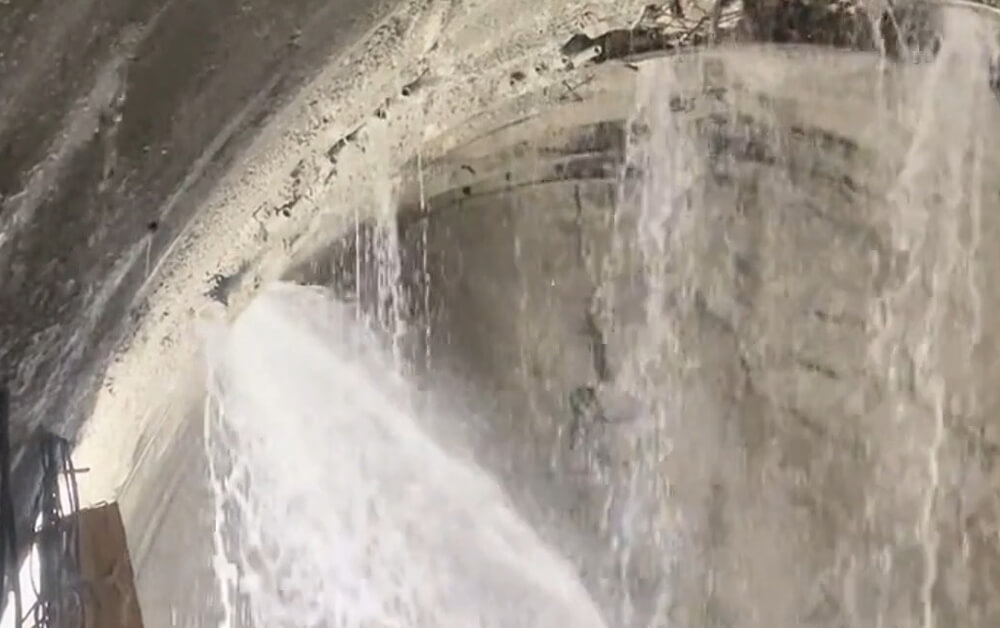
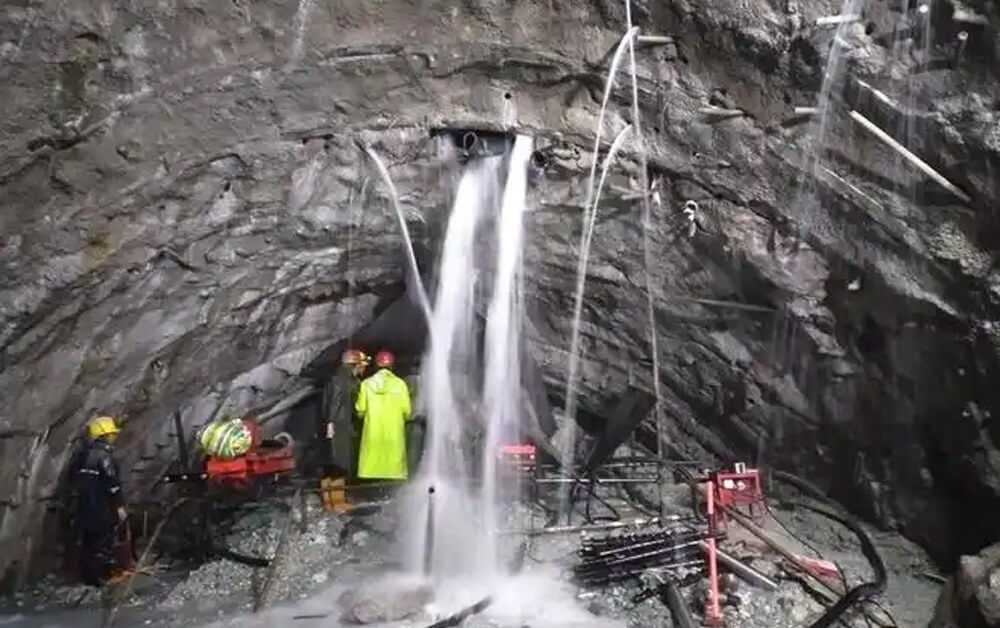
High-Pressure Water Ingress
In some cases, tunnels experience:
- Active water flow
- Sudden leakage bursts
These require immediate intervention.
Common Grouting Materials for Tunnel Leakage Repair
Pick the right one, and the leak stops. Pick the wrong one, and you’ll be back to do it again. Here’s how the main options stack up.
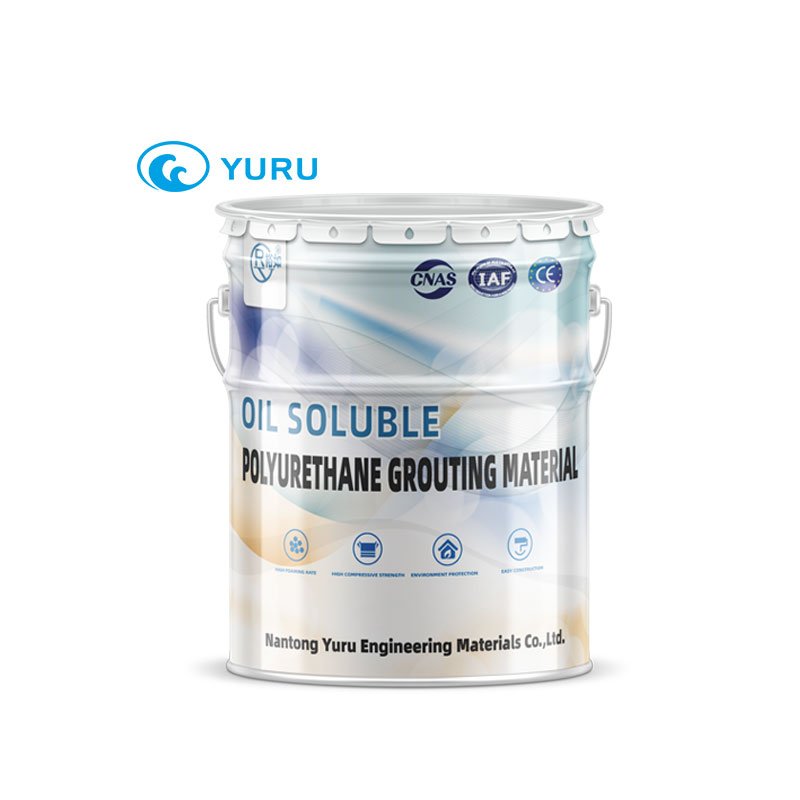
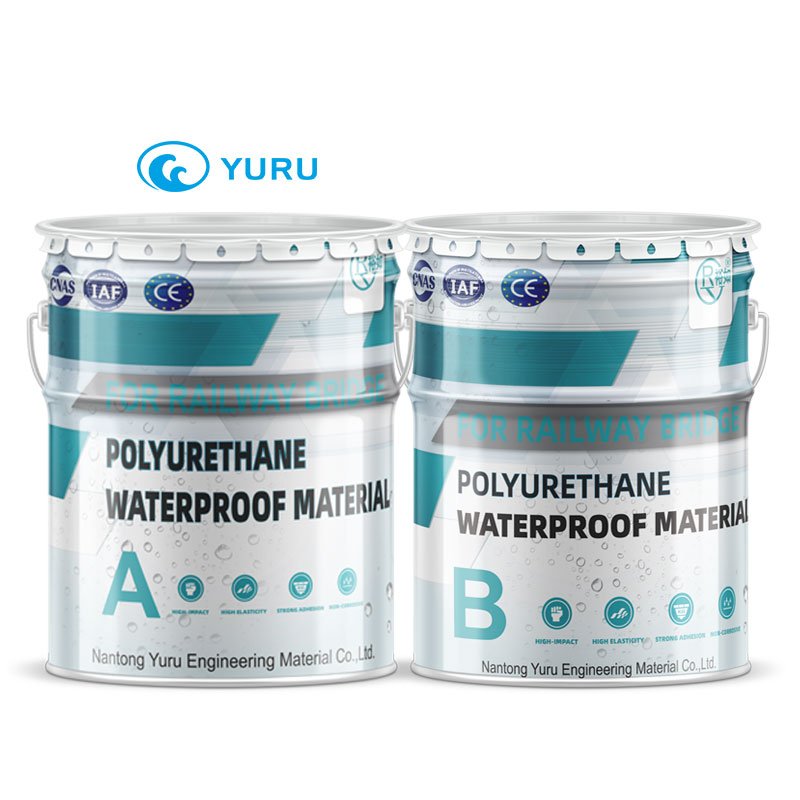
Polyurethane PU Grout
Key Features:
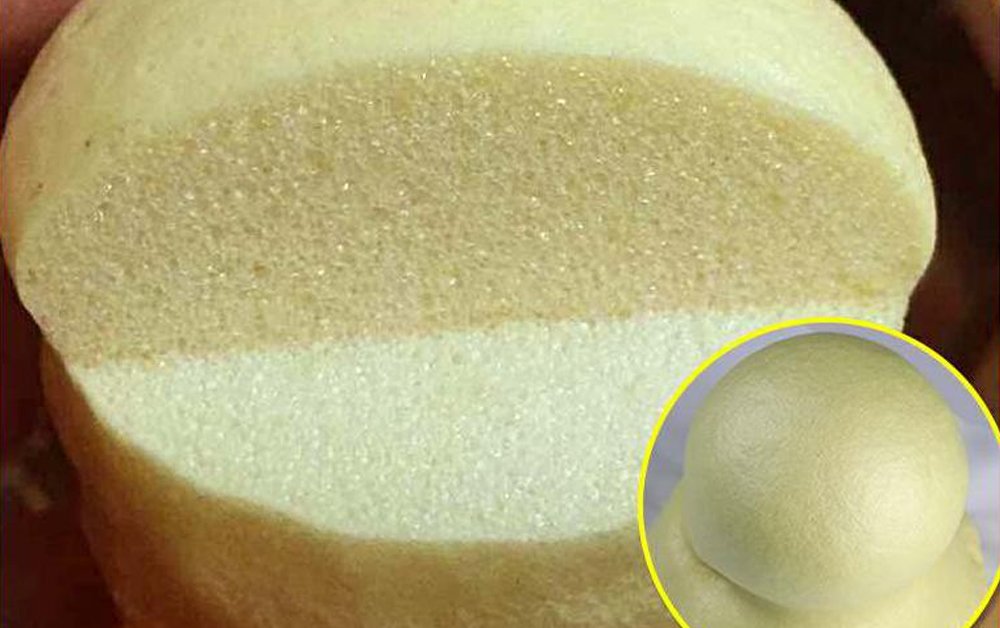
- Reacts with water to form foam
- Expands to fill voids
- Fast reaction time
Best Use Cases:
- Active water leaks
- Emergency sealing
Advantages:
- Rapid response
- Strong sealing capability
Acrylate Grout
Key Features:
- Ultra-low viscosity
- Adjustable gel time
- Forms flexible gel
Best Use Cases:
- Fine cracks
- Soil permeation
Advantages:
- Deep penetration
- Long-term waterproofing
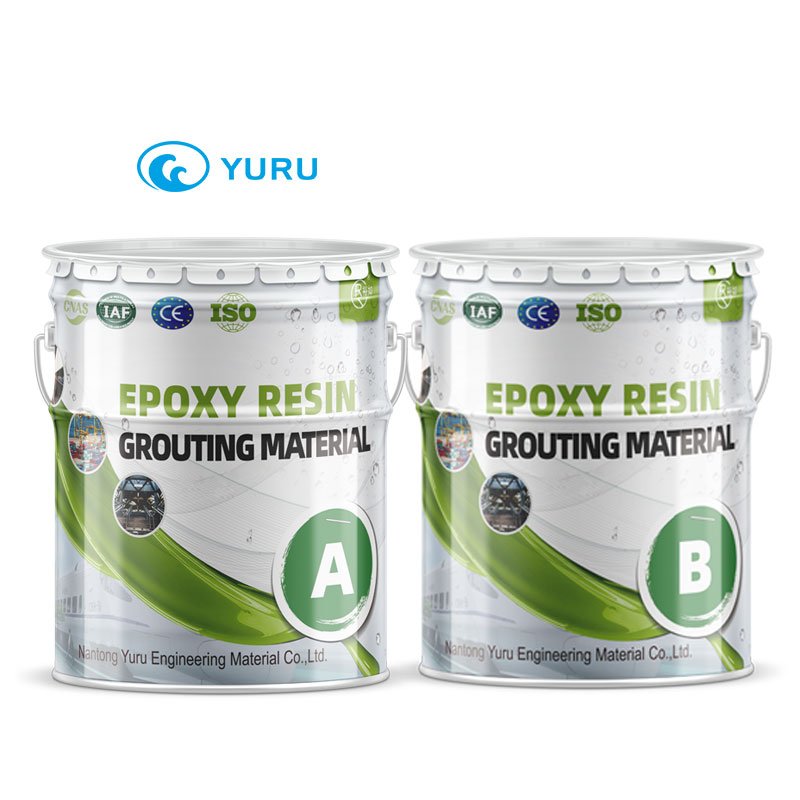
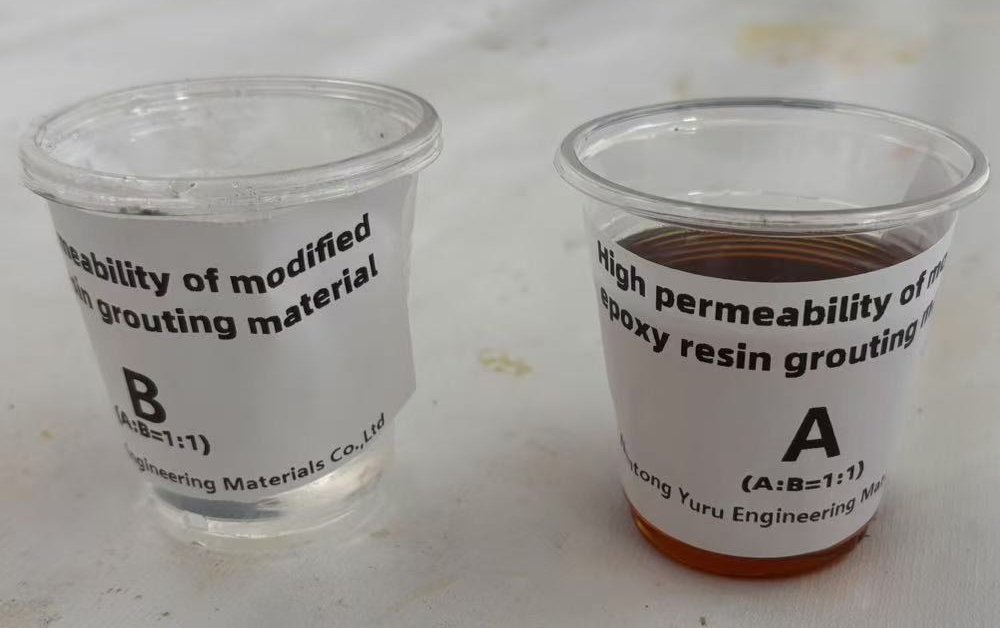
Epoxy Grout
Key Features:
- High strength
- Rigid structure
Best Use Cases:
- Structural reinforcement
Limitations:
- Limited flexibility
Cementitious Grout
Key Features:
- Cost-effective
- High compressive strength
Best Use Cases:
- Filling large voids
Limitations:
- Poor penetration
How to Choose the Best Grouting Solution for Tunnel Leakage Repair?
There is no universal solution. Instead, selection depends on project conditions.
Evaluate Leakage Severity
- Minor seepage → Acrylate grout
- Active leakage → Polyurethane grout
Analyze Crack Size
- Micro-cracks → Acrylate
- Large voids → Cement or PU
Consider Water Pressure
High-pressure conditions require fast-reacting materials.
Assess Environmental Conditions
Temperature, humidity, and soil conditions all influence material performance.
Combined Grouting Systems: The Modern Approach
Today, most successful tunnel repairs use multi-material systems.
PU + Acrylate Combination
- PU stops active leaks
- Acrylate provides long-term sealing
Layered Waterproofing Strategy
- Initial sealing
- Secondary reinforcement
- Surface coating
Benefits of Combined Systems
- Higher reliability
- Improved durability
- Reduced risk of failure
Step-by-Step Tunnel Grouting Process
Execution is just as important as material selection.
1. Inspection and Diagnosis
Identify:
- Leak source
- Water pressure
- Structural condition
2. Drilling Injection Holes
- Position holes strategically
- Ensure coverage of affected area
3. Installing Packers
Packers allow controlled injection.
4. Material Preparation
- Mix according to specifications
- Adjust reaction time
5. Grouting Injection
- Apply controlled pressure
- Monitor material flow
6. Curing and Evaluation
- Allow material to set
- Check sealing effectiveness
Factors That Affect Grouting Performance
Injection Pressure
Too high can cause material loss; too low reduces penetration.
Material Compatibility
Incorrect pairing leads to failure.
Ground Conditions
Soil permeability affects distribution.
Operator Skill
Experienced technicians ensure proper execution.
Common Problems in Tunnel Grouting and Solutions
Incomplete Sealing
Solution: Secondary injection
Material Loss
Solution: Adjust viscosity and pressure
Fast Reaction Time
Solution: Modify formulation
Uneven Distribution
Solution: Improve drilling pattern
Long-Term Waterproofing Strategy for Tunnels
Grouting alone is not always sufficient.
Integrated Waterproofing System
Combine:
- Grouting
- Waterproof coatings
- Drainage systems
Regular Inspection and Maintenance
Early detection prevents major failures.
Structural Reinforcement
In severe cases, additional reinforcement is required.

Why Clients Prefer System-Based Solutions?
Contractors and project owners increasingly prefer integrated systems because they:
- Improve project reliability
- Reduce long-term costs
- Simplify maintenance
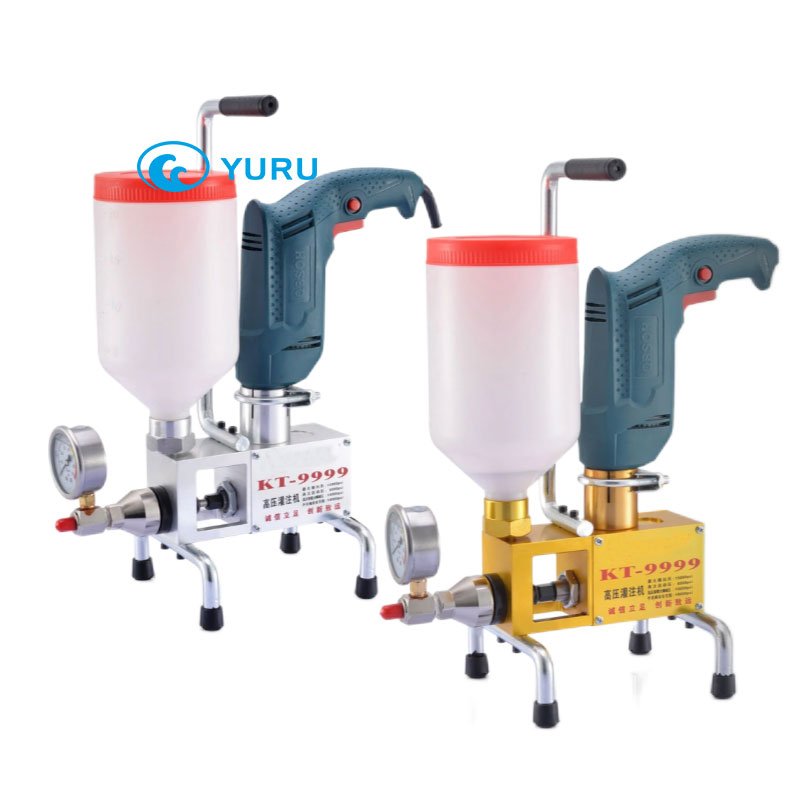
YURU Waterproof: Reliable Grouting Solutions for Tunnel Projects
YURU Waterproof provides:
- Polyurethane grouting materials
- Acrylate grouting systems
- Waterproof coatings
- Grouting machines
Key Advantages:
- Stable and high-performance products
- Customized solutions for tunnel projects
- Technical support for engineers and contractors
- Experience in large infrastructure applications
Application Areas:
- Metro tunnels
- Highway tunnels
- Municipal underground systems
- Water control projects
FAQs:
1. What is the best grout for tunnel leakage?
Polyurethane for active leaks and acrylate for fine cracks are commonly used.
2. Can grouting be done in active water conditions?
Yes, especially with polyurethane grout.
3. How long does grouting last?
With proper application, it can last for many years.
4. Is grouting enough for waterproofing?
Often, it should be combined with coatings.
5. What affects grouting success the most?
Material selection, pressure control, and surface conditions.
Conclusion: What Is the Best Grouting Solution for Tunnel Leakage Repair?
So, what is the best solution?
The best solution is a combination. The right material for the right problem. Applied the right way.
A combination of materials and methods, not a single product:
- Diagnose leakage accurately
- Choose materials based on conditions
- Use combined grouting systems
- Apply proper techniques
Looking for reliable tunnel leakage repair solutions?
YURU Waterproof offers advanced grouting materials and expert technical support for infrastructure projects.
Contact YURU today to get customized solutions for your tunnel waterproofing needs.
YURU Product solutions