What Is the Best Waterproof Coating for Government Infrastructure Projects?
Introduction:
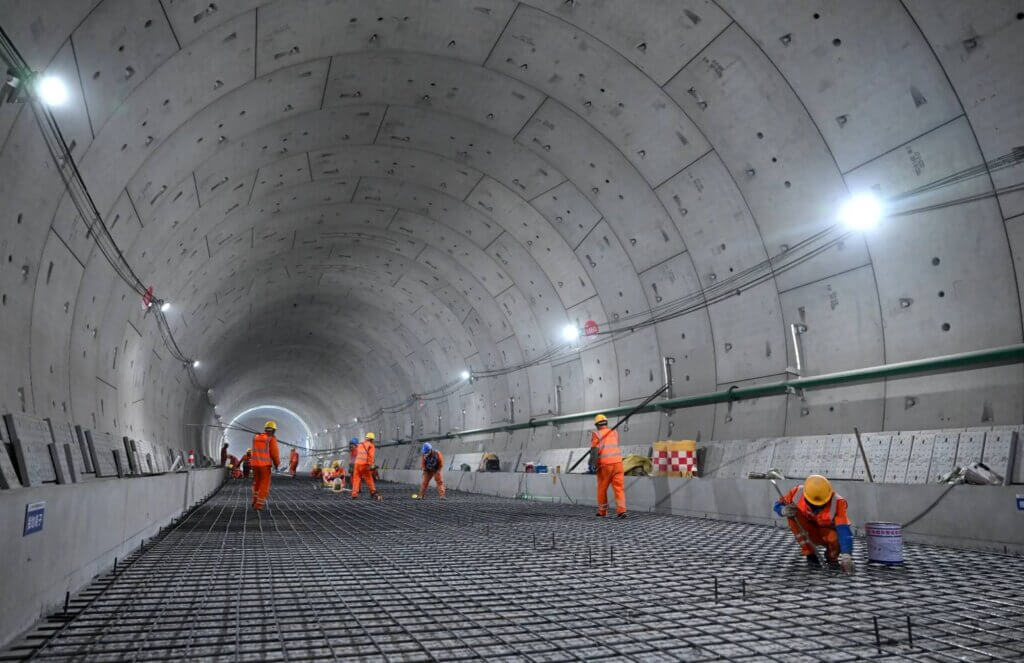
Here’s the thing about government infrastructure projects. The primary goal of government infrastructure projects is to ensure long-term stable operation under extreme conditions. They’re built to last decades. Bridges, tunnels, wastewater plants, underground transit systems — these structures take a beating, water, pressure, chemicals, creeze-thaw, vibration.
So when someone asks, “What’s the best waterproof coating for government projects?” — that’s not just a technical question. It’s a strategic one.
Because the wrong choice leads to leaks, repairs, downtime, and public money wasted. The right choice means a structure that performs for 20, 30, even 50 years with minimal interruptions.
What Makes Government Projects Different?
Unlike a residential basement or a commercial warehouse, public infrastructure demands:
- Extended service life
- Minimal maintenance interruptions
- Compliance with strict standards
- Proven durability in real-world conditions
In this comprehensive guide, we’ll break down how to evaluate waterproof coatings, compare leading materials, and identify the best solutions for different types of infrastructure projects.
Why Government Infrastructure Requires High-Performance Waterproof Coatings?
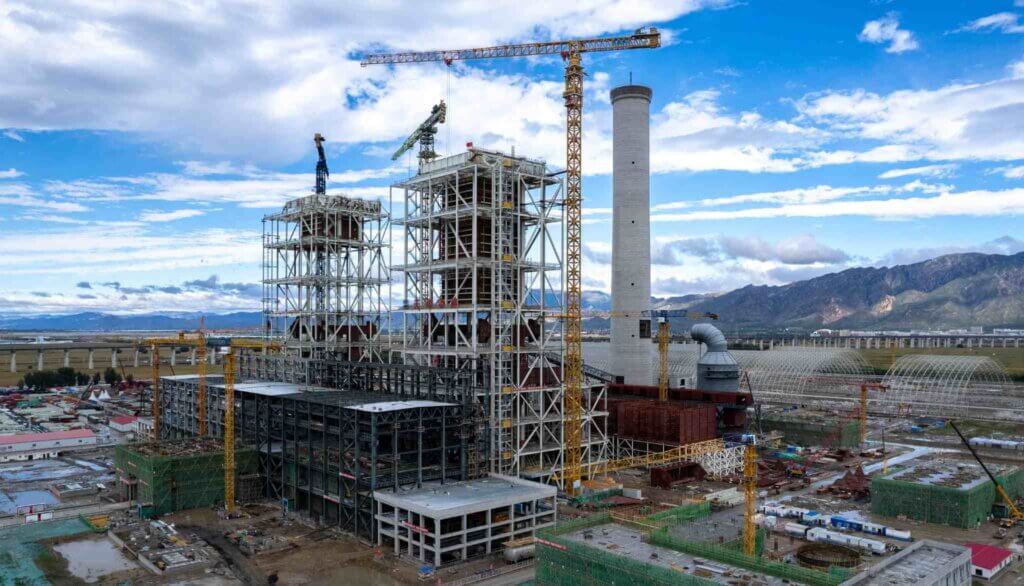
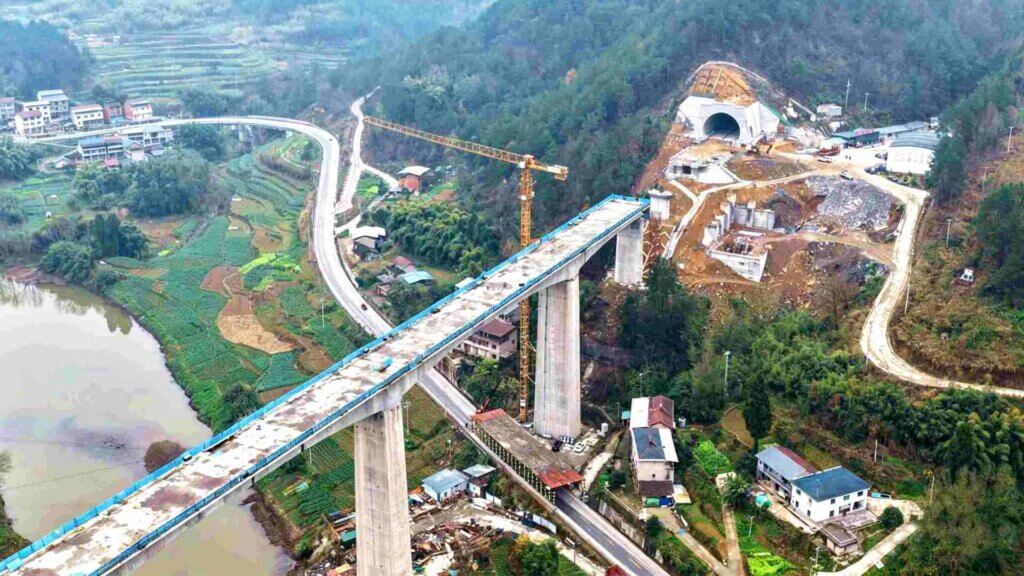
Government projects aren’t like private development. They operate under different rules. They have to deliver reliability, safety, and cost efficiency — not for a few years, but for decades.
Long Service Life Expectations
Infrastructure is designed to last for generations. A failure in waterproofing can lead to:
- Structural damage
- Corrosion of reinforcement
- Costly repairs
Therefore, coatings must maintain performance over long periods without degradation.
Complex Environmental Exposure
Public infrastructure often operates in harsh conditions:
- Constant water exposure
- Freeze-thaw cycles
- Chemical attack (especially in wastewater systems)
- UV exposure in open environments
These factors demand advanced materials with superior resistance properties.
High Maintenance Costs
Repairing infrastructure is expensive and disruptive. For example:
- Closing a tunnel for repairs impacts transportation
- Bridge maintenance affects traffic flow
Thus, preventive waterproofing is far more cost-effective than reactive maintenance.
Key Performance Criteria for Waterproof Coatings in Infrastructure Projects
Before you pick a coating, you need to know what you’re evaluating. Engineers look at performance from multiple angles. Here’s what matters.
Durability and Longevity
A high-quality coating should:
- Resist aging and degradation
- Maintain elasticity over time
- Withstand environmental stress
Waterproofing and Anti-Seepage Capability
The primary function is to prevent water penetration under:
- Hydrostatic pressure
- Continuous exposure
Chemical Resistance
In facilities like wastewater plants, coatings must resist:
- Acids
- Alkalis
- Industrial chemicals
Crack-Bridging Ability
Structures naturally expand and contract. A good coating should:
- Stretch without breaking
- Seal dynamic cracks
Application Flexibility
Given complex geometries in infrastructure, coatings should:
- Adapt to irregular surfaces
- Allow efficient application
Environmental and Regulatory Compliance
Government projects must meet:
- Environmental safety standards
- VOC regulations
- Industry certifications
Common Types of Waterproof Coatings Used in Infrastructure
There is no one-size-fits-all solution. Each type has strengths. Each has limitations. The trick is matching the right material to the right job.
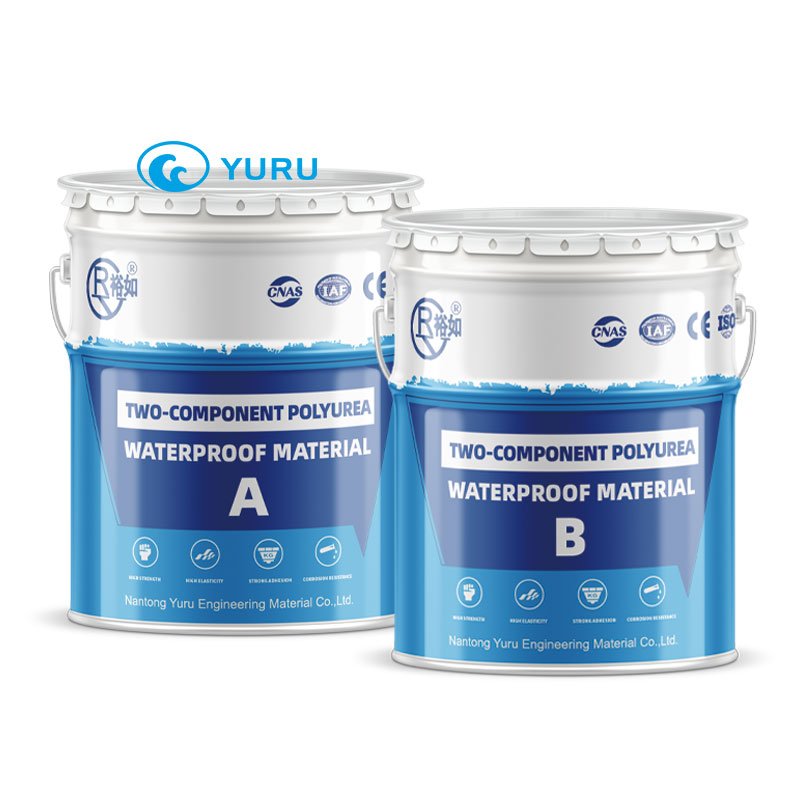
Polyurea Coating -- The High-Performance Solution
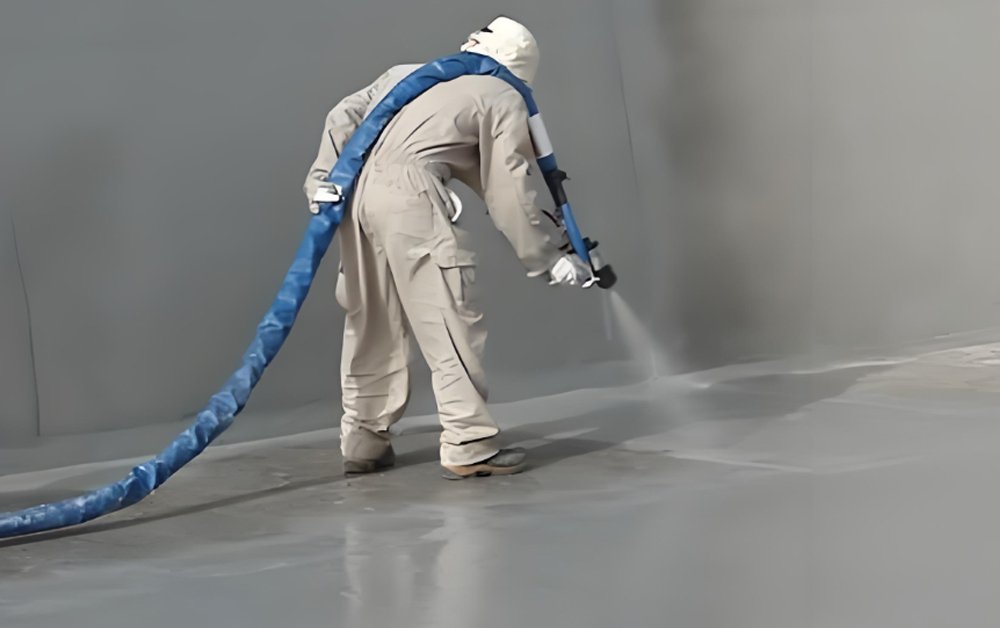
Polyurea is widely recognized as one of the most advanced waterproof coatings.
Advantages:
- Fast curing
- Seamless application
- High elasticity and durability – Stretches with the structure. Doesn’t crack. Takes abuse.
- Excellent chemical resistance – Stands up to harsh industrial environments.
Limitations:
- Requires specialized equipment
- Higher initial cost
Best Applications:
- Bridges
- Tunnels
- Large-scale infrastructure
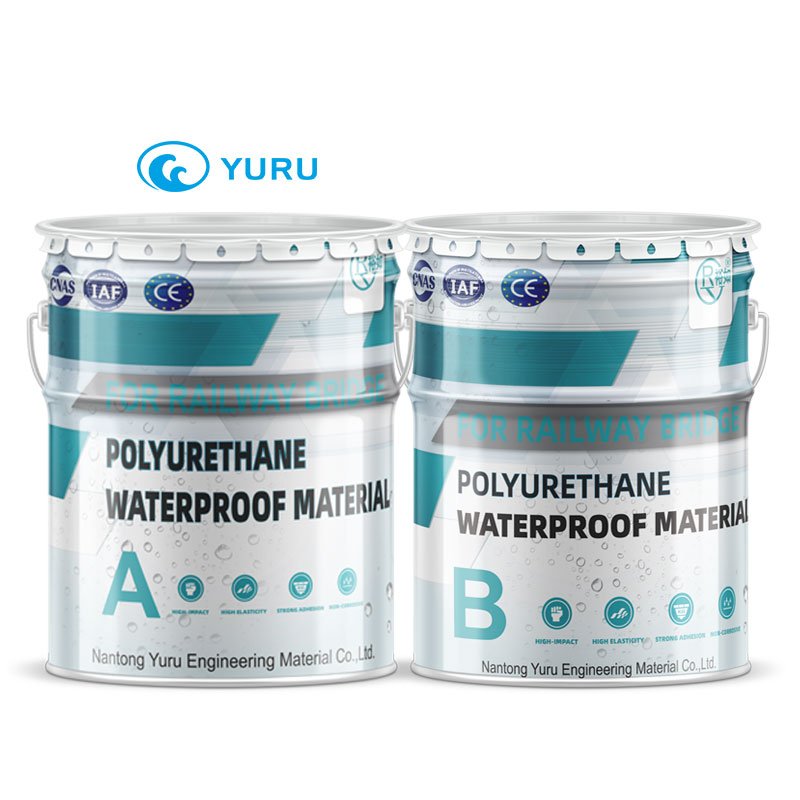
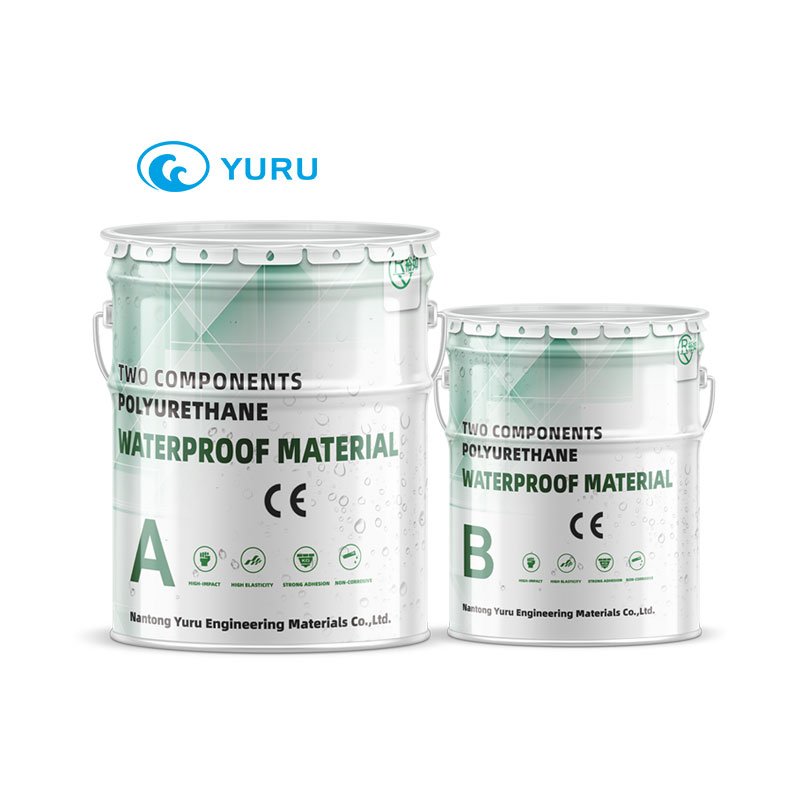
Polyurethane Coating -- Flexible and Versatile
Polyurethane waterproofing is the most commonly used.
Advantages:
- Good elasticity
- Easier application compared to polyurea
Limitations:
- Slower curing
- Slightly lower durability
Best Applications:
- Roof waterproofing
- Underground structures
Cementitious Waterproof Coatings
These traditional materials have been around forever. They’re simple and cheap. But they have limits.
Advantages:
- Cost-effective
- Easy to apply
Limitations:
- Limited flexibility
- Prone to cracking
Best Applications:
- Foundations
- Basic waterproof layers
Acrylic Waterproof Coatings
Acrylic coatings are known for environmental friendliness.
Advantages:
- Low VOC
- Easy application
Limitations:
Limited durability in harsh environments.
Best Applications:
- Light-duty projects
Choosing the Right Waterproof Coating for Different Infrastructure Projects
A bridge isn’t a tunnel. A water treatment plant isn’t a utility corridor. They face different challenges, so they need different solutions.
Bridge Waterproofing Systems
Bridges face:
- Constant vibration
- Weather exposure
Recommended Solution:
Polyurea coating stretches with the bridge instead of cracking. It handles vibration and resists weather.
Tunnel and Subway Systems
These structures deal with:
- High groundwater pressure
- Limited maintenance access
Recommended Solution:
Polyurea combined with chemical grouting systems.
Water Treatment Plants
These environments involve:
- Chemical exposure
- Persistent humidity
Recommended Solution:
Chemical-resistant polyurea or polyurethane coatings. Standard coatings won’t last here. You need materials specifically formulated to resist chemical attack.
Underground Utility Corridors
Key challenges include:
- Long-term sealing
- Accessibility
Recommended Solution:
Integrated waterproofing systems.
Why System-Based Waterproofing Solutions Are Essential?
Modern infrastructure rarely relies on a single material.
Multi-Layer System Structure
Typical system includes:
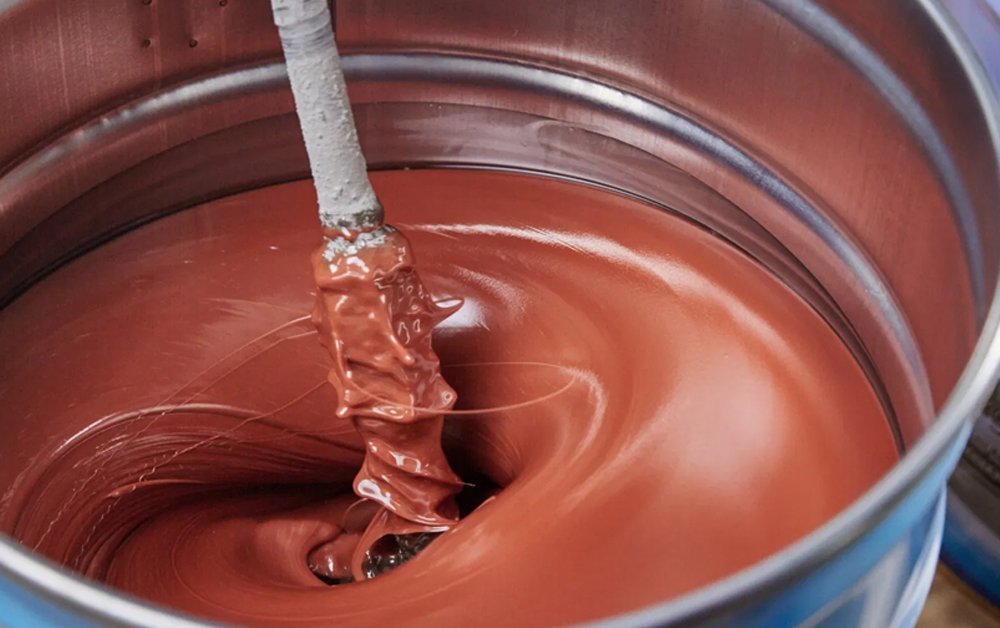
- Primer layer
- Waterproof coating
- Protective topcoat
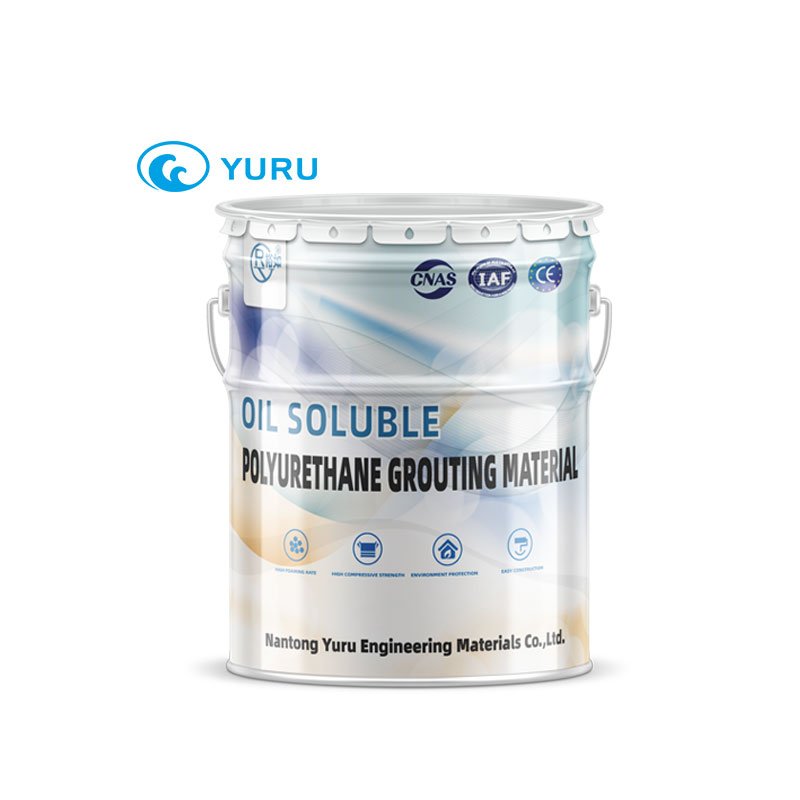
Integration with Grouting Systems
Combining coatings with grouting improves:
- Crack sealing
- Structural stability
Benefits of System Approach
- Enhanced durability
- Reduced maintenance
- Improved reliability
Critical Factors in Waterproof Coating Application
Even the best material can fail if applied incorrectly.
Surface Preparation
Proper preparation ensures:
- Strong adhesion
- Long-term performance
Application Thickness Control
Uniform thickness is essential for:
- Waterproof integrity
- Structural protection
Environmental Conditions
Temperature and humidity affect curing and performance.
Quality Inspection
Inspection should include:
- Adhesion tests
- Thickness measurement
- Visual inspection
Life Cycle Cost (LCC): A Key Decision Factor
Government projects prioritize long-term value over initial cost. Because they’re paying with public money. And they have to answer for how that money is spent — not just today, but over the life of the asset.
Initial Cost vs Maintenance Cost
Low-cost materials often lead to:
- Frequent repairs
- Higher long-term expenses
Durability as an Investment
High-performance coatings reduce:
- Downtime
- Repair frequency
Economic Benefits
Over time, investing in better materials leads to:
- Lower total cost
- Higher project reliability
How to Select the Right Waterproofing Supplier?
Choosing the right supplier is just as important as choosing the material.
Key Evaluation Criteria:
Product certifications:
- Industry certifications
- Test reports
Proven project experience:
- Have you worked on similar projects?
- Can you provide references?
Technical support capability:
- Technical staff who know the product
- On-site support when needed
- Clear communication
Supply chain stability:
- Inventory and lead times
- Logistics capability
- Backup plans
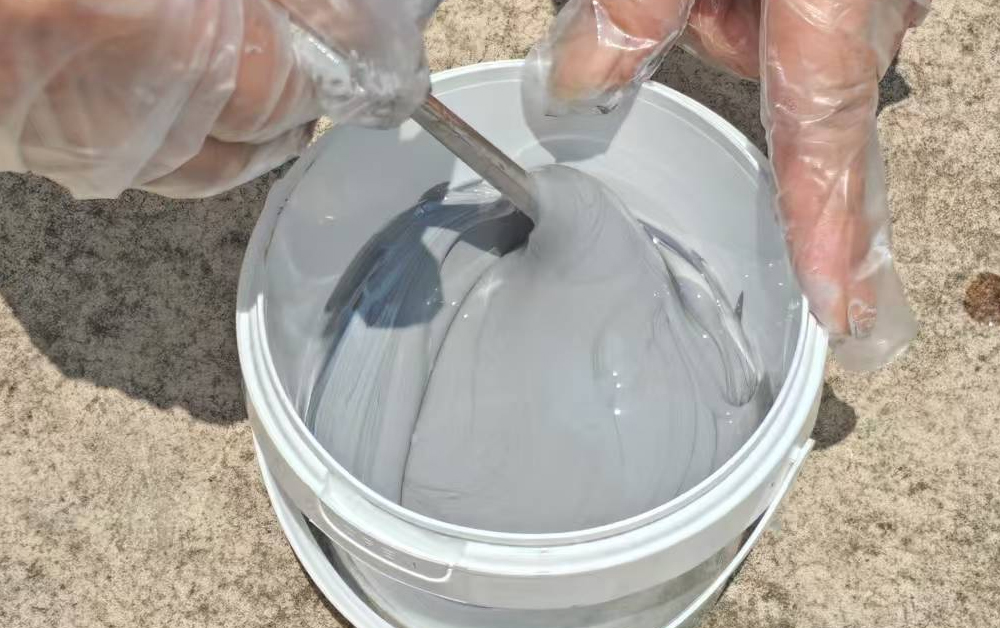
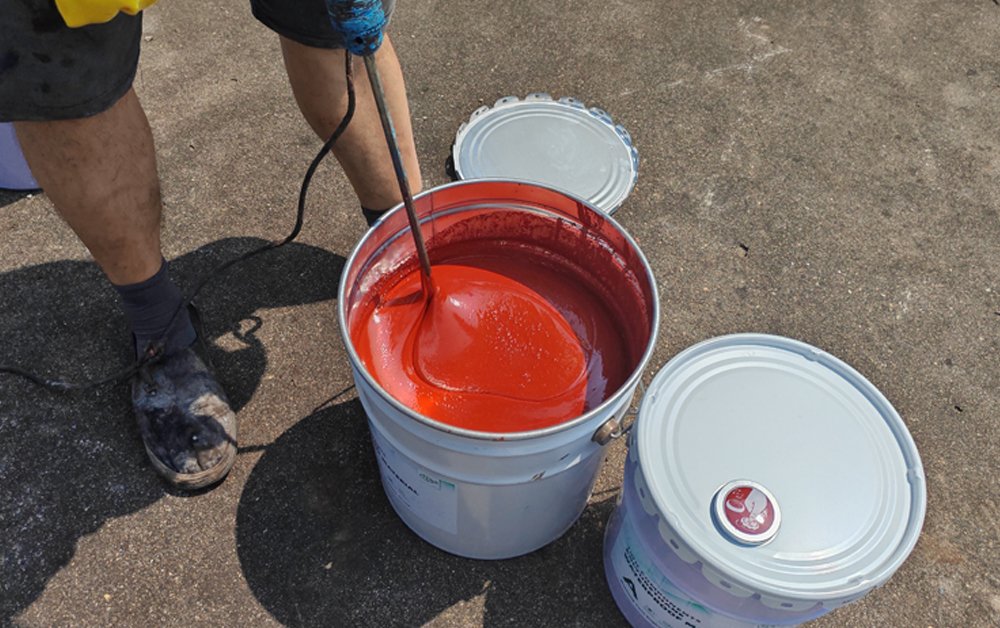
YURU Waterproof: Trusted Partner for Infrastructure Projects
Here’s the truth about large-scale infrastructure waterproofing. The material matters. But who you get it from matters just as much.
When you’re working on a bridge, a tunnel, or a water treatment plant, you don’t have time for delayed shipments, inconsistent quality, or technical questions that go unanswered. You need a partner who delivers.
That’s where YURU Waterproof comes in.
YURU Waterproof specializes in:
- Waterproof coatings
- Grouting materials
Why Choose YURU:
- Consistent product quality
- Advanced formulation technology
- Technical support for contractors and engineers
- Experience in infrastructure projects
Application Areas:
YURU solutions are widely used in:
- Tunnels and subways
- Bridges and highways
- Municipal underground projects
- Water treatment facilities
FAQs:
1. What is the best waterproof coating for infrastructure projects?
Polyurea is often considered the best due to its durability and flexibility. Secondly, polyurethane series.
2. What factors affect waterproof coating performance?
Surface preparation, application quality, and environmental conditions.
3. How long do waterproof coatings last?
High-quality systems can last 20–50 years with proper maintenance.
4. Are waterproof coatings environmentally friendly?
Modern coatings are designed to meet environmental regulations.
Conclusion:
So, what is the answer?
The truth is, there is no single “best” waterproof coating for all government infrastructure projects. Instead, the best solution depends on:
- Project type
- Environmental conditions
- Performance requirements
- Budget considerations
However, polyurea-based systems combined with integrated waterproofing solutions are increasingly considered the most reliable choice for demanding applications.
Looking for high-performance waterproof coatings for government infrastructure projects?
YURU Waterproof provides advanced solutions tailored to your project needs.
Contact YURU today for expert consultation, product recommendations, and customized waterproofing systems.
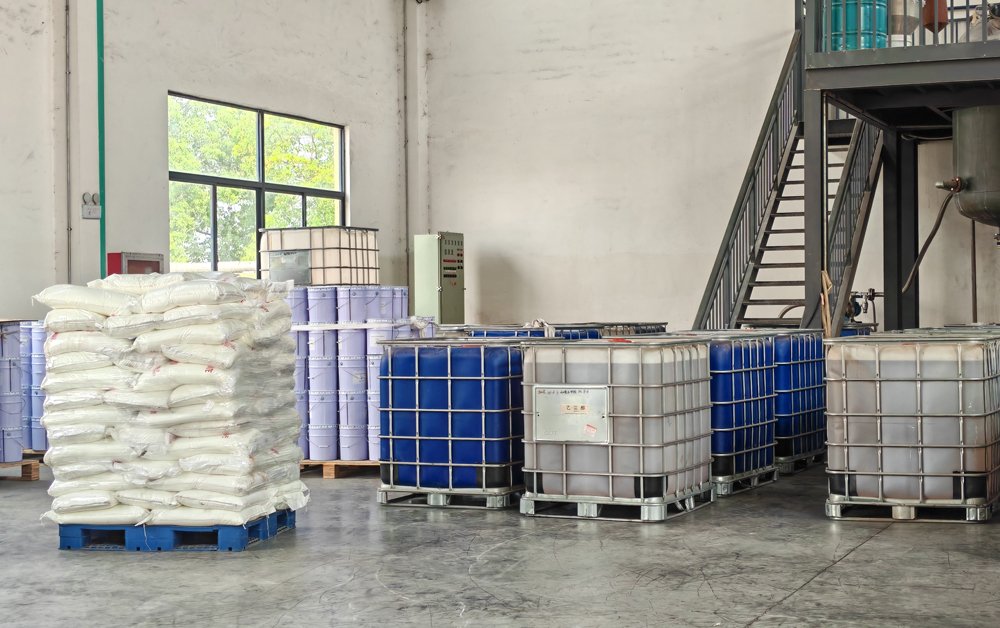
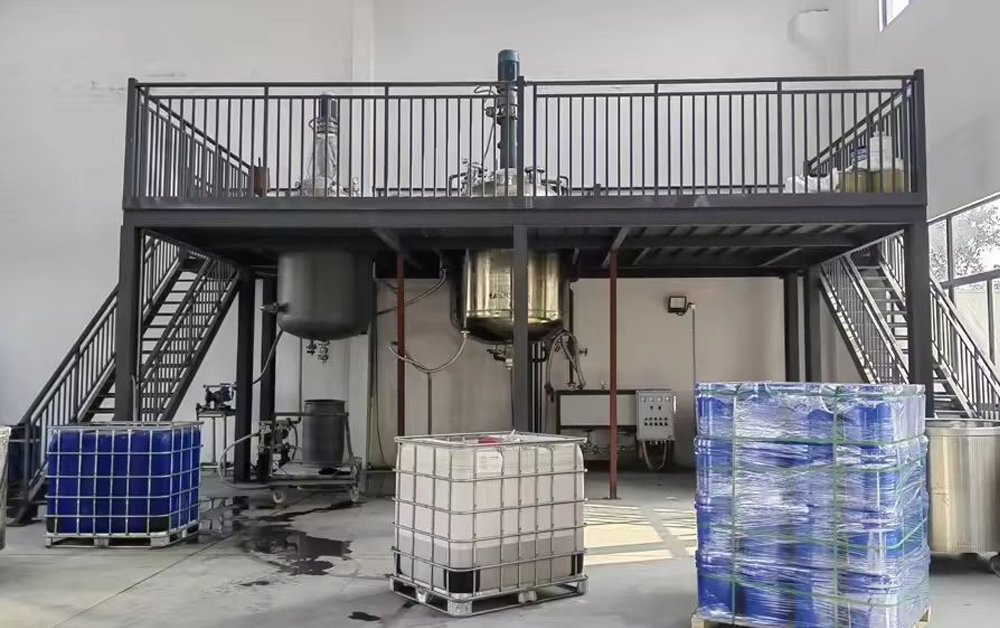
YURU Product solutions