Which Coating Is Better, Polyurea or Polyurethane?
Introduction:
Choosing the right coating system is rarely a simple technical decision. For contractors, distributors, and project owners, it directly impacts cost, durability, construction timelines, and long-term maintenance.
Among the most commonly compared materials in the waterproofing and protective coatings industry are polyurea and polyurethane.
At first glance, they may seem similar. Both are polymer-based coatings with strong waterproofing performance. However, in practice, their differences can significantly affect project outcomes.
This guide provides a practical, experience-driven comparison of polyurea and polyurethane coatings. We will help you determine which solution is better based on your specific application.
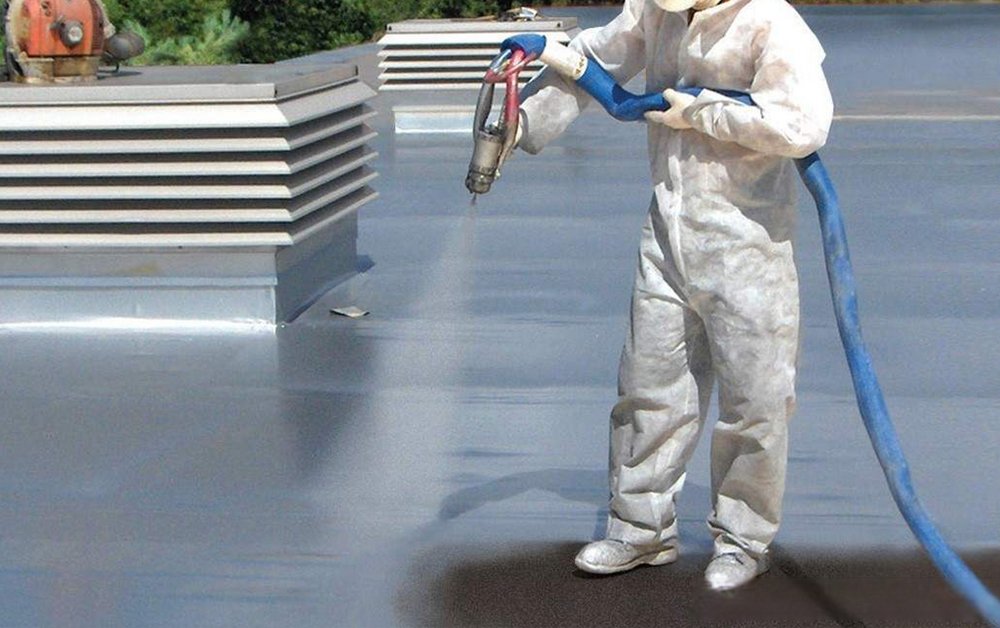
What Is Polyurea Coating?
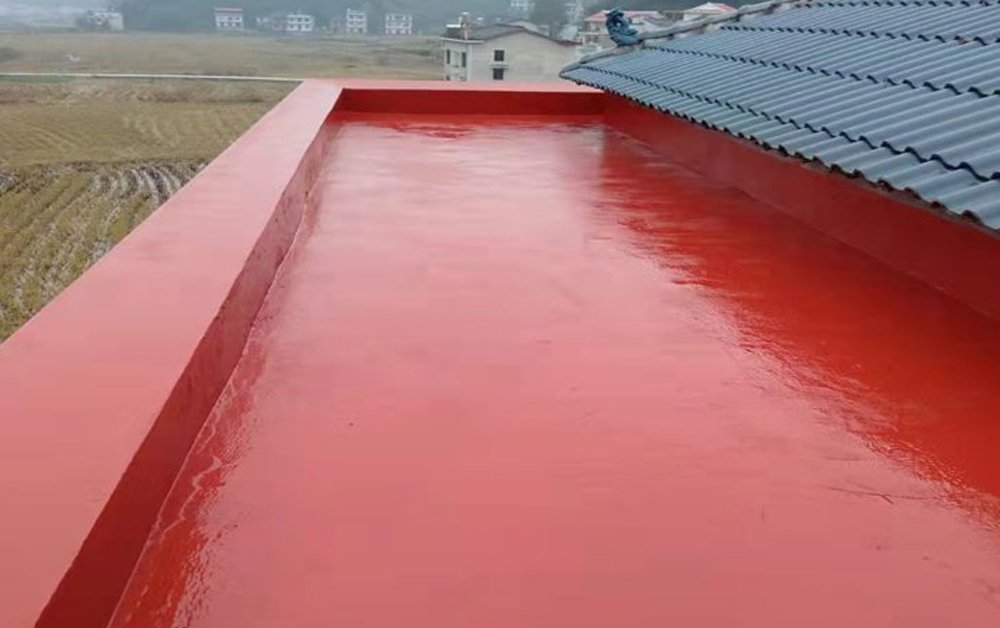
Polyurea is a high-performance elastomer formed by the reaction of an isocyanate component with an amine-terminated resin. exposed to extreme conditions, heavy foot traffic, or harsh chemicals.
Key Characteristics of Polyurea
Polyurea is known for its extreme performance in demanding environments.
- Fast curing
- High tensile strength and elongation
- Excellent abrasion resistance
- Strong chemical resistance
- Seamless waterproof membrane
Because of its rapid curing, polyurea is often used in projects where downtime must be minimized.
Typical Applications of Polyurea
Polyurea is widely used in:
- Bridge and tunnel waterproofing
- Industrial containment systems
- Wastewater treatment plants
- Roof waterproofing for large structures
- Truck bed liners and heavy-duty protection
In these scenarios, durability and performance are prioritized over cost.
What Is Polyurethane Coating?
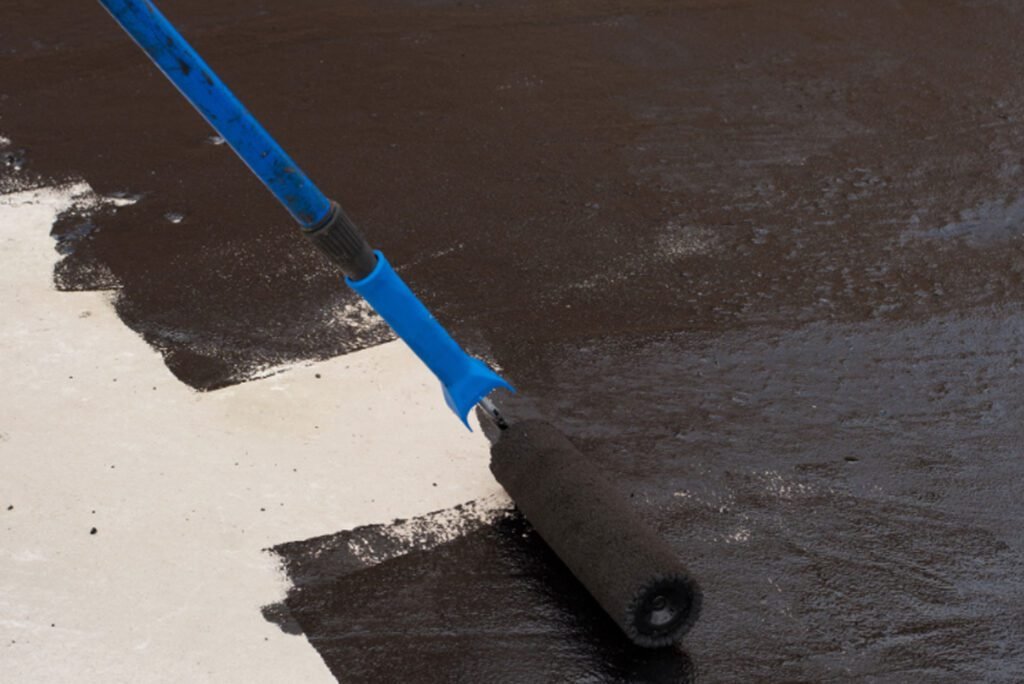
Polyurethane is a versatile polymer material created by reacting polyols with isocyanates. It is available in multiple formulations, including one-component and two-component types.
Key Characteristics of Polyurethane
Polyurethane coatings are known for their flexibility and cost-effectiveness.
- Good waterproofing performance
- Strong adhesion to various substrates
- Flexible application methods
- Moderate curing speed
- Cost-efficient for large-scale use
Unlike polyurea, polyurethane does not require highly specialized equipment in most cases.
Typical Applications of Polyurethane
Polyurethane is commonly used in:
- Roof waterproofing systems
- Basement and underground waterproofing
- Floor coatings and protective layers
- Bathrooms and wet areas
- General building protection
It is often the preferred choice for standard construction projects.

Polyurea vs Polyurethane: A Detailed Comparison
To make an informed decision, it is important to compare these materials across key performance indicators.
Curing Speed
Polyurea:
- Cures within seconds or minutes.
- Allows immediate return to service.
- Ideal for time-sensitive projects.
Polyurethane:
- Cures in hours or longer.
- Requires waiting time between layers.
- Suitable for projects with flexible schedules.
Conclusion: Polyurea is significantly faster.
Application Method
Polyurea:
- Requires high-pressure spray equipment (Spray type)
- Needs trained technicians
- Sensitive to mixing accuracy
Polyurethane:
- Can be applied by brush, roller, or spray
- Easier to handle
- Suitable for smaller teams
Conclusion: Polyurethane is easier to apply.
Cost Considerations
Polyurea:
- Higher material cost
- Equipment investment required
- Higher labor cost
Polyurethane:
- More affordable
- Lower equipment requirements
- Better for large-area projects
Conclusion: Polyurethane offers better cost efficiency.
Mechanical Performance
Polyurea:
- Higher tensile strength
- Better abrasion resistance
- Superior flexibility under stress
Polyurethane:
- Good performance for standard use
- Less resistant under extreme conditions
Conclusion: Polyurea performs better in harsh environments.
Waterproofing Performance
Both materials offer excellent waterproofing, but with differences.
Polyurea:
- Seamless membrane
- Instant curing reduces water risk
- Strong resistance to water pressure
Polyurethane:
- Reliable waterproofing
- Slightly more sensitive during curing
Conclusion: Both are effective, but polyurea is more robust.
Environmental Adaptability
Polyurea:
- Works in extreme temperatures
- Less sensitive to humidity
Polyurethane:
- Requires more controlled conditions
- May be affected by moisture during curing
Conclusion: Polyurea is more adaptable.
Which Coating Should You Choose?
There is no universal answer. The best choice depends on your project.
For Large Infrastructure Projects
Recommended: Polyurea
Why:
- Fast installation
- High durability
- Long service life
Typical projects include bridges, tunnels, and industrial facilities.
For Standard Building Waterproofing
Recommended: Polyurethane
Why:
- Cost-effective
- Easy to apply
- Suitable for most environments
For Contractors with Limited Equipment
Recommended: Polyurethane
Because polyurea requires specialized spray systems and trained operators.
For High-Performance Industrial Protection
Recommended: Polyurea
Especially in environments with:
- Heavy abrasion
- Chemical exposure
- Mechanical stress
Application-Based Recommendations
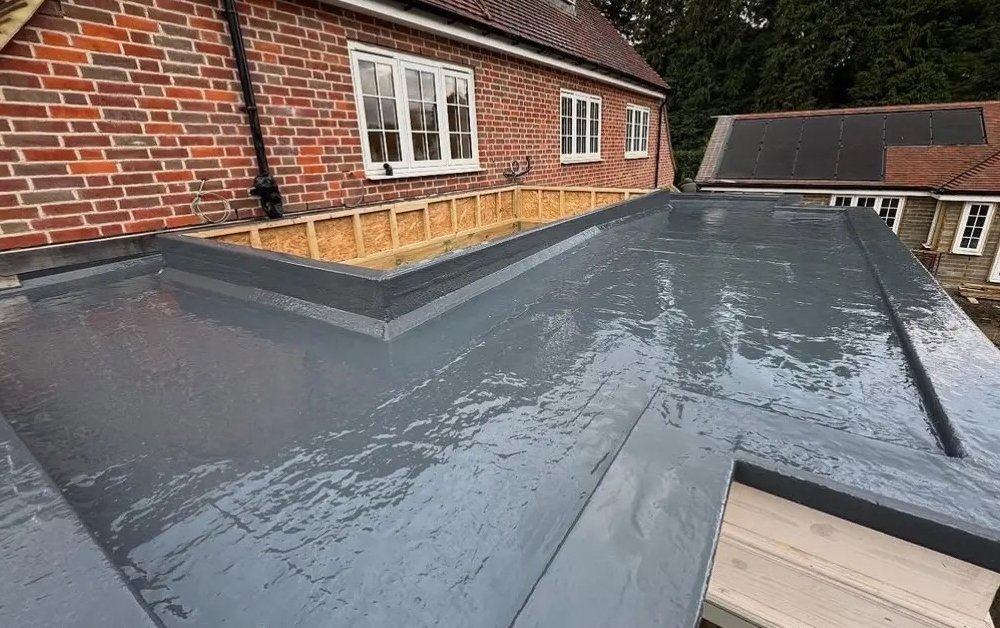
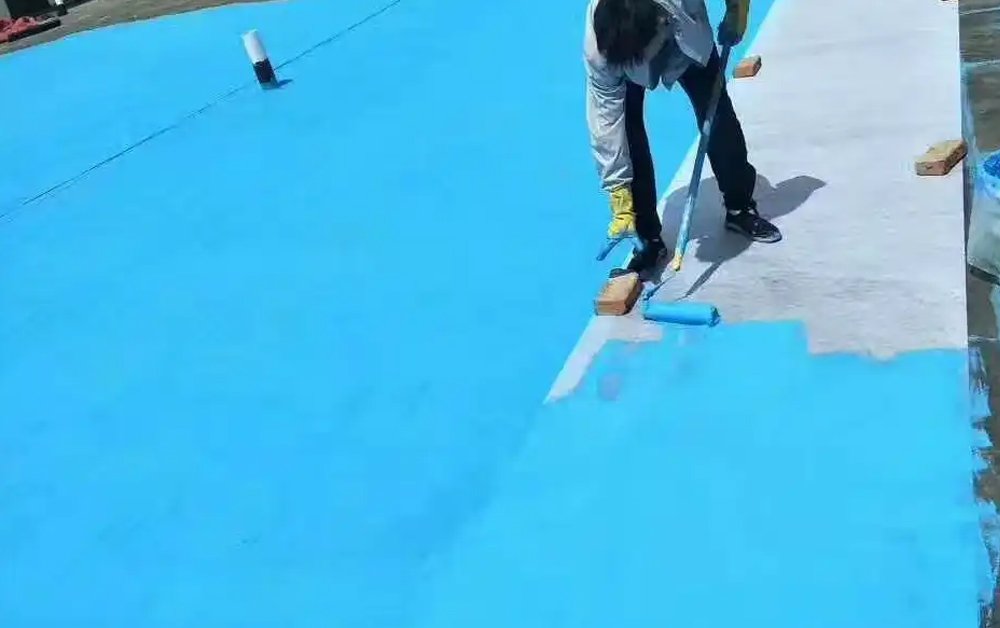
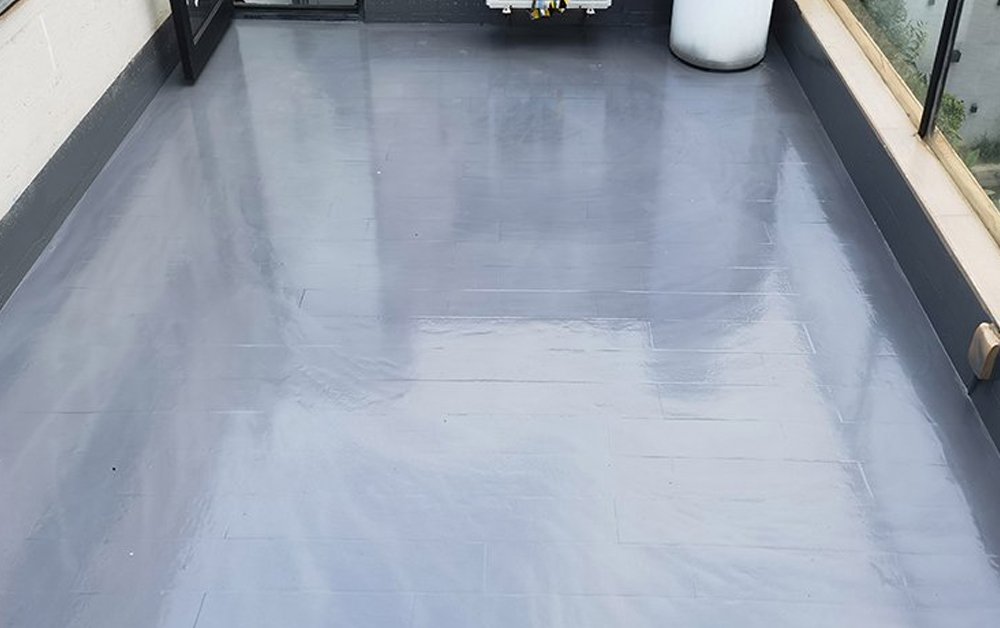
Roof Waterproofing
- Polyurethane is widely used.
- Polyurea is preferred for large or high-end projects, and has UV protection properties.
Underground Waterproofing
- Both can be used.
- Selection depends on water pressure and project budget.
Wastewater and Chemical Environments
- Polyurea is strongly recommended.
Common Misconceptions About Polyurea and Polyurethane
“Polyurea is always better”
- Not necessarily. While polyurea has superior performance, it may not be cost-effective for all projects.
“Polyurethane is outdated”
- Incorrect. Polyurethane remains one of the most widely used waterproofing materials globally.
“They can replace each other completely”
- In some cases yes, but not always. Each has its optimal application range.
How to Choose a Reliable Coating Supplier?
Selecting the right supplier is just as important as choosing the material.
What to Look For:
- Consistent product quality
- Technical support capability
- Custom formulation options
- Stable delivery time
- Proven project experience
YURU Waterproof Coating Solutions
YURU Waterproof is a professional manufacturer specializing in polyurethane and polyurea coating systems for global markets.
Product Advantages
- Wide product range (PU & Polyurea systems)
- Stable formulation and quality control
- Adapted to different climates and project needs
Service Advantages
- Technical consultation for contractors
- OEM and private label support
- Fast production and delivery
- Experience in international projects
YURU focuses on providing practical, reliable solutions for real construction challenges.

FAQs:
1. Which is more durable, polyurea or polyurethane?
Polyurea generally offers higher durability, especially in harsh environments.
2. Is polyurea more expensive than polyurethane?
Yes, polyurea typically has higher material and application costs.
3. Can polyurethane replace polyurea?
In standard applications, yes. In high-performance environments, polyurea is preferred.
4. Which coating is better for waterproofing?
Both are effective, but polyurea performs better under extreme conditions.
5. Is polyurea difficult to apply?
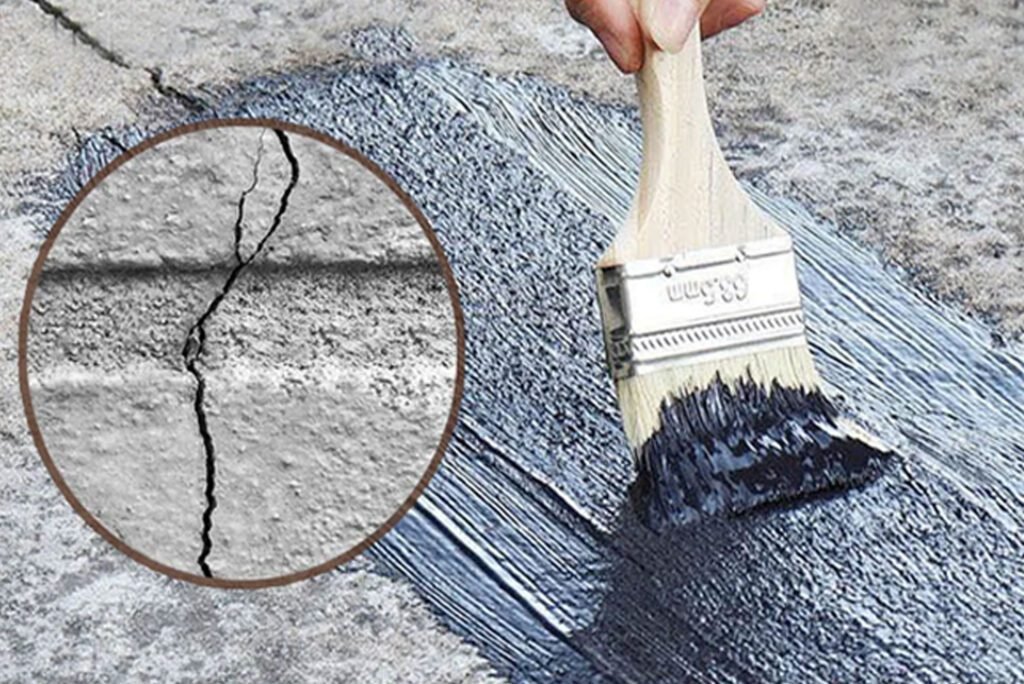
Brush-applied polyurea is easy to apply, while spray-applied polyurea requires specialized equipment and highly trained professionals.
6. Which coating is better for roofs?
Polyurethane is more common, but two-component polyurea offers superior UV protection.
Conclusion: Which Coating Is Better?
The answer depends on your priorities.
- If you need maximum performance and speed, choose polyurea.
- If you need cost efficiency and flexibility, choose polyurethane.
In most cases, the “better” coating is the one that fits your project conditions—not the one with the highest specifications.
If you are:
- A waterproofing material distributor
- A contractor handling large projects
- An engineering company looking for reliable suppliers
YURU Waterproof can support your business with:
- High-performance coating materials
- Technical guidance
- Custom product solutions
- Competitive wholesale pricing
Contact us today to get tailored recommendations for your project.
YURU Product solutions