Why Waterproof Coating Fails?
Introduction:
Waterproof coatings are supposed to protect buildings from moisture, leaks, and long-term damage. But in the real world, they fail. Some of them have held up beautifully — 15, 20 years, no leaks, no issues. Others? Failed within two or three years. Same type of product, similar building, completely different outcome.
If you’re a contractor, an engineer, or a distributor, you’ve probably seen it happen. You put down a system that should have worked, and a couple of years later — leaks, peeling, failure. It’s frustrating, it’s expensive, and it hurts your reputation.
So what’s going wrong?
In this guide, we’re going to dig into the real reasons waterproof coatings fail. We’ll look at different application scenarios, break down what went wrong, and give you practical solutions based on real experience.
Roofs, basements, tunnels, infrastructure — we’ll cover it all. Let’s dig in.
Common Signs of Waterproof Coating Failure
Cracking and Peeling
This is the easiest one to spot. You see cracks in the coating. Or maybe the edges are curling up, peeling away from the wall or roof.
What caused it? Usually, the coating has lost its flexibility or its grip. It can’t move with the building anymore, or it’s just letting go.
Here’s the problem: once cracks appear, water finds them. It seeps through, gets underneath the coating, and starts making everything worse. What started as a small crack becomes a much bigger problem.
Water Leakage and Dampness
When the coating stops working, water starts showing up where it shouldn’t. Look for:
- Damp patches on walls or ceilings – even if the roof or wall looks fine from outside.
- Mold growth – anywhere you see black or green spots, moisture is present.
- Persistent water stains – rings or discoloration that won’t go away.
These signs tell you one thing: the protective barrier is no longer doing its job. Water is getting through.
Blistering and Delamination
Blisters form when moisture or air gets trapped beneath the coating. Eventually, this leads to delamination, where the coating separates from the substrate.
Why Waterproof Coating Fails -- Key Root Causes
| Cause category | Specific problem | Result |
| Poor Surface Preparation | Contaminated substrate, weak concrete | Poor adhesion, peeling |
| Excessive Moisture in Substrate | Trapped moisture, no moisture testing | Bubbles, peeling, delamination |
| Incorrect Material Selection | Mismatch with environment, low-quality products | Premature failure, lack of durability |
| Improper Application Techniques | Uneven thickness, no primer, wrong mixing ratios | Poor cure, weak adhesion, thin spots |
| Environmental Factors | Extreme temperature, high humidity | Blistering, weak bonds, incomplete cure |
Differences in Failure Causes Across Application Scenarios
Roof Waterproofing Failures
Roofs live outside. They get hammered by UV, baked in the sun, frozen at night, and soaked in rain.
The big killers on roofs:
- UV degradation — The sun beats down day after day. Over time, it breaks down the coating. It gets brittle. It cracks. It loses its flexibility.
- Thermal expansion — Hot sun expands the roof. Cool night contracts it. This back-and-forth happens every single day. Coatings that can’t stretch with the movement crack under the stress.
- Poor drainage — Water that sits around is water that causes problems. Pooling water accelerates coating breakdown and finds its way into any weak spot.
The fix: UV-resistant, flexible coatings. And make sure the roof drains properly.
Basement Waterproofing Failures
Basements face continuous hydrostatic pressure. Common issues include:
- Insufficient waterproofing thickness
- Cracks in concrete structure
- Poor joint sealing
What works: Enough thickness, crack-bridging ability, and careful joint sealing.
Bathroom Waterproofing Failures
Bathrooms aren’t extreme. But they’re wet, and they’re full of tricky spots.
What goes wrong:
- Around pipes and drains — Water sneaks through if sealing isn’t perfect.
- Thin spots — Coating goes on uneven, and water finds the thin areas.
- Rushed curing — People tile over coating that isn’t fully cured. Then it fails.
What works: Seal every penetration. Apply evenly. Let it cure.
Subway Tunnel Waterproofing Failures
Subway tunnels operate under extreme conditions:
- Continuous groundwater pressure
- Structural movement over time
- Failure of waterstops or injection systems
The fix: Proper system design, flexible materials, and backup systems. And once a tunnel is leaking, repairs are difficult and costly – so getting it right the first time is critical.
Railway Bridge Waterproofing Failures
Bridge waterproofing systems face dynamic loads and environmental exposure:
- Vibrations from trains cause fatigue cracking
- Temperature changes accelerate aging
- Water pooling due to poor drainage
What works: Highly flexible, durable coatings. Good drainage.
Does Product Quality Affect Waterproof Coating Performance?
Raw Material Quality
Cheap coatings start with cheap ingredients. Lower-grade resins, fillers instead of binders, skimpy amounts of UV stabilizers. And it shows.
High-quality raw materials give you:
- Better elasticity – The coating stretches when the building moves, instead of cracking.
- Stronger adhesion – It bonds to the substrate and stays bonded.
- Longer durability – It doesn’t break down after a few seasons in the sun.
You can’t make a premium coating from bargain-bin ingredients. The raw materials determine what the finished product can do.
Stable Formulation
A reliable manufacturer controls their process. Batch after batch, the product performs the same.
Certification and Testing
Products that meet international standards offer more predictable results.
Common Application Mistakes That Lead to Failure
Skipping Surface Preparation
This is the most frequent cause of coating failure.
Applying Coating in One Thick Layer
Multiple thin layers are always more effective than a single thick application.
Ignoring Critical Details
Failure often starts at weak points such as:
- Corners
- Joints
- Pipe penetrations
How to Prevent Waterproof Coating Failure?
Proper Surface Preparation
Ensure the substrate is:
- Clean — No dust, no oil, no grease. If it’s dirty, the coating won’t stick.
- Dry — Test for moisture. Don’t assume. Wet concrete will ruin your coating every time.
- Solid — If the concrete is crumbling or weak, fix it first. Coating won’t hold up a bad substrate.
Selecting the Right Material
Not every coating works everywhere. Choose coatings based on:
- What’s the climate? Hot, cold, wet, dry? UV exposure? Pick a coating designed for those conditions.
- What are the structural demands? Does the building move? Is there vibration? You need flexibility.
- What chemicals or UV is it exposed to? Industrial environments need chemical resistance. Roofs need UV resistance.
Match the material to the conditions.
Following Standard Application Procedures
Every product is different. Mixing ratios matter. Thickness matters. Curing time matters.
Read the instructions. Follow them. Don’t guess.
Controlling Environmental Conditions
Avoid application during extreme weather conditions.
Importance of Maintenance in Waterproofing Systems
Regular Inspection
Inspect coatings annually or after extreme weather.
Early Repair
Address minor defects before they escalate into major problems.
How to Choose a Reliable Waterproofing Supplier?
Technical Expertise
Suppliers should provide technical guidance and support.
Product Range
A comprehensive product line allows better customization for different projects.
Proven Experience
Suppliers with real-world project experience offer more reliable solutions.
YURU Waterproof -- Helping You Avoid Coating Failure
High-Performance Product Systems
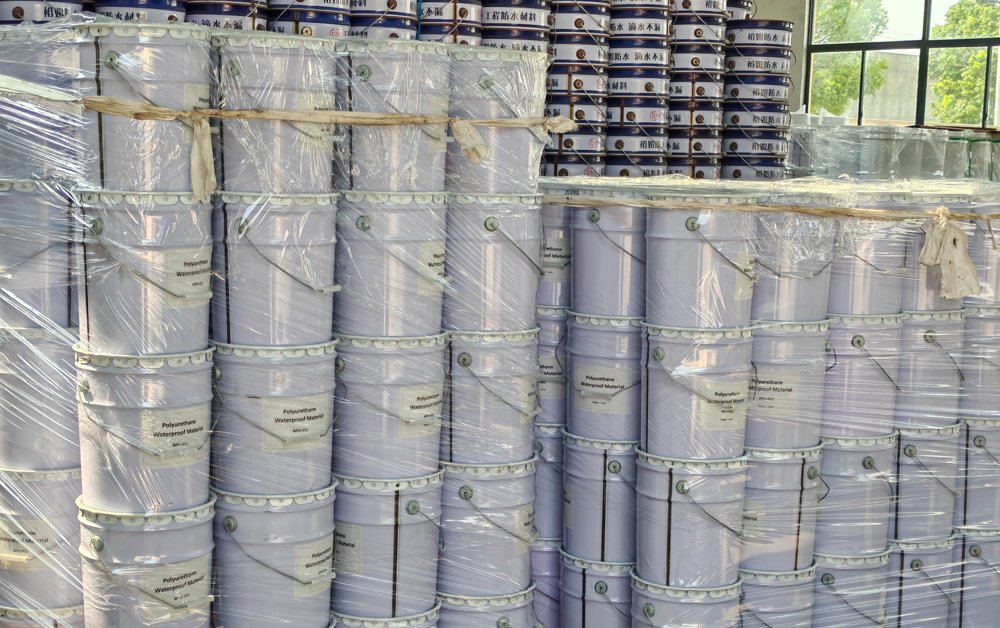
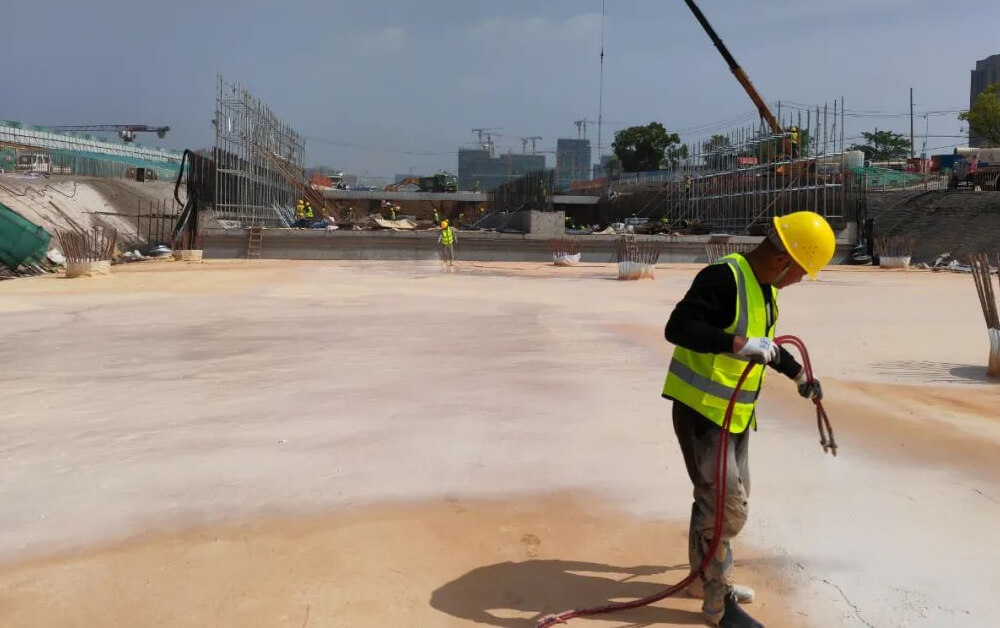
YURU Waterproof offers advanced waterproof coatings designed for different environments, including roofs, basements, and infrastructure.
Consistent Product Quality
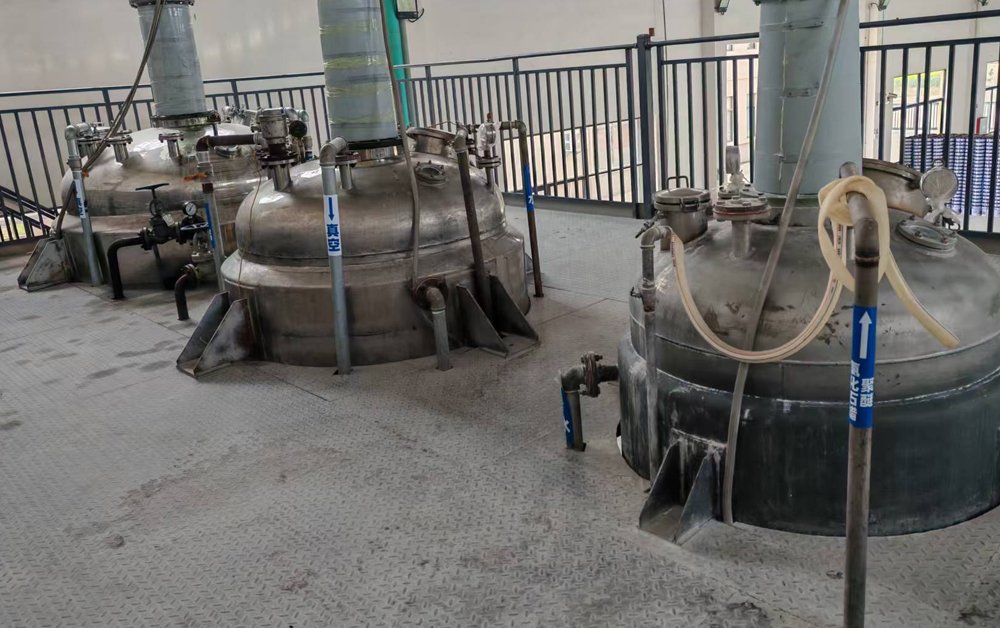
Our formulations are tested to ensure durability and stability under various conditions.
Professional Technical Support
We provide end-to-end support, from material selection to application guidance, helping clients avoid common mistakes.
Benefits of Understanding Why Waterproof Coating Fails
Reduced Maintenance Costs
Preventing failure reduces repair expenses.
Extended Service Life
Proper systems can last over a decade.
Improved Project Reliability
Fewer failures mean better client satisfaction and reputation.
FAQs:
1. What is the main reason waterproof coatings fail?
Poor surface preparation and moisture issues are the most common causes.
2. Can waterproof coating fail even if high-quality materials are used?
Yes, improper application can still lead to failure.
3. How can I test if a coating has failed?
Look for leaks, cracks, blistering, or dampness.
4. How long should waterproof coatings last?
Typically 10–20 years with proper installation and maintenance.
5. Does YURU Waterproof provide technical support?
Yes, we offer full technical guidance for all projects.
Conclusion:
Here’s the takeaway. Waterproof coatings fail for reasons we can predict, prevent, and correct. Most failures aren’t mysteries. They come down to prep, materials, or application.
If you want to avoid waterproofing problems and get results that last, YURU Waterproof is here to help. We’ve got the products, the experience, and the support to get you there.
Contact us today for samples, expert advice, customized solutions.
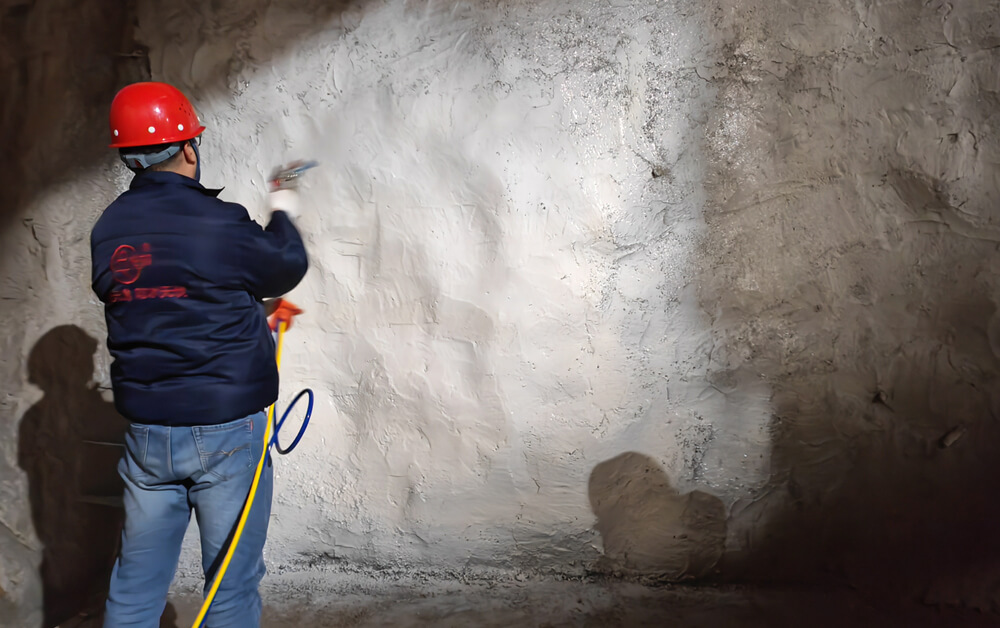
YURU Product solutions