Can You Apply Water-Based Polyurethane Waterproof Coating in Winter?
Introduction
Water-based polyurethane waterproof coating can be applied in winter, as long as the conditions allow the material to dry and form a proper waterproof membrane. For YURU WOPC-2, we generally recommend applying the coating above 0°C and keeping it protected from freezing while it dries.
Once the membrane has fully cured, it can handle lower temperatures. YURU water-based polyurethane waterproof coating has passed a low-temperature flexibility test at -10°C without cracking.
Indoor waterproofing is often easier to manage during winter, but temperature isn’t the only consideration. In a closed bathroom or basement, ventilation and humidity can have just as much influence on the work.
What Makes Winter Application Possible?
On a cold day, the temperature of the concrete is often more important than the temperature shown on a wall thermometer.
Take a heated basement. The room may feel comfortable, but the concrete walls can remain cold for hours. Warm air meeting those surfaces may cause condensation, leaving moisture where the waterproof coating needs to bond.
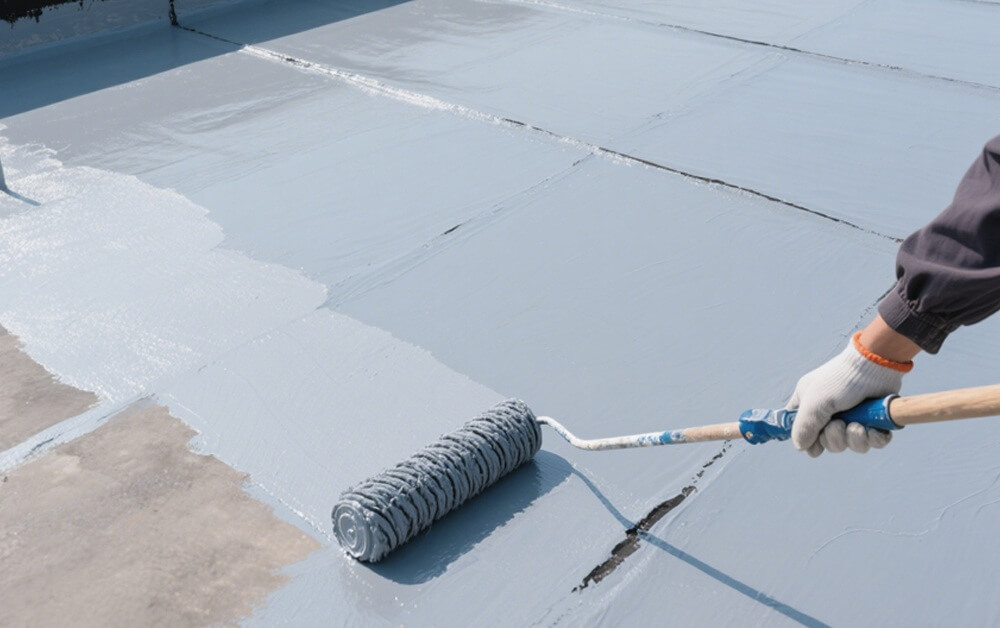
Roof work has a different challenge. A surface may be warm enough for coating in the afternoon, then cool rapidly as the sun goes down. If the coating is still drying when dew or frost forms, the finish may be affected.
For YURU WOPC-2, application is generally recommended above 0°C. Since the coating contains water, it must be kept from freezing during application and the initial drying period. A warmer, stable working environment usually gives contractors a more reliable drying window than conditions hovering just above freezing.
Other waterborne coatings may specify higher minimum temperatures. Sika Sikalastic-598, for instance, has an application temperature range of 5°C to 40°C, together with requirements for humidity and dew point.
Before starting, check the substrate temperature, look for any signs of moisture or frost, and consider how conditions will change over the next several hours.
For exposed roofs, weather is only one part of selecting a suitable system. Substrate type, UV exposure, and the intended waterproofing application also matter. Our guide to polyurethane roof coating selection covers these considerations in more detail.
Indoor Application: What About Ventilation?
Winter often brings waterproofing work indoors, where temperatures are easier to control. The difficulty is keeping the space warm without closing off the fresh-air supply.
Water-based polyurethane coatings generally contain less organic solvent than comparable solvent-based products. However, suitable ventilation is still required during application and drying.
In closed spaces like basements or bathrooms, a regular fan is useless. It just spins trapped, humid air around. The air must go somewhere. Mechanical ventilation may be the practical choice. An exhaust system can draw air out of the work area while fresh air enters through a controlled opening or supply.
The US Environmental Protection Agency recommends ventilation during indoor painting and for a period after the work is finished.
Ventilation also helps the coating dry. As water evaporates from the fresh film, it adds moisture to the surrounding air. Without enough air exchange, humidity can build up and slow further drying.
For an occupied building, it makes sense to keep the application area separate from normal use until the work and necessary ventilation have been completed. The product’s Safety Data Sheet (SDS) and the site’s safety arrangements should guide this process.
A combination of heating, fresh-air ventilation, and humidity control usually gives contractors more control over indoor winter work. Where adequate ventilation cannot be arranged, coating should be postponed until the space is suitable.
Why Does Water-Based PU Coating Take Longer to Dry in Winter?
Drying is where cold weather causes the most trouble.
As the coating forms a continuous waterproof film, water has to leave the freshly applied material. Low temperatures slow that process down — especially when the air is already humid.
A basement with little air movement can make the problem worse. Moisture builds up in the room, and the coating takes longer to dry.
This matters when applying multiple coats. A surface may feel dry to the touch while the material beneath is still soft.
Surface Drying and Through Drying
Under its test conditions, YURU WOPC-2 reports a surface drying time of 1.2 hours and a through-drying time of 6 hours.
These figures help with planning. Winter conditions, though, can extend drying. Temperature, coating thickness, humidity, and airflow all affect how quickly the film develops.
Before the next coat, check the existing layer. It should have reached the drying condition required by the product instructions, without soft or tacky areas.
Pay attention to corners and junctions where more material may have collected. These areas often need longer than an evenly coated open surface.
A little more time between coats is preferable to having to repair a membrane because the work was rushed.
Preparing and Applying the Coating in Cold Weather
Most winter coating problems can be avoided before the container is even opened — by getting the surface and working conditions right first.
Start with clean, dry, sound concrete. Remove dust and loose material, repair damaged areas, and check for condensation.
Basement corners, pipe penetrations, and wall-to-floor junctions deserve particular attention. On roofs, inspect drains, parapets, and other places where water tends to collect.
Avoid Applying Too Much Material at Once
In cold weather, there can be a temptation to apply a heavier coat and finish the job sooner. With waterborne coatings, that can make drying more difficult.
YURU WOPC-2 instructions specify a maximum thickness of 0.8 mm per coat.
So apply the coating in the required layers, and let each one dry before moving on. Where the waterproofing system calls for reinforcement, the fabric should be properly embedded in the coating, without wrinkles or raised sections.
For outdoor work, the WOPC-2 instructions specify an eight-hour rain-free period after application. In cold, damp weather, the coating may need protection for longer while it dries.
Indoor work has fewer weather interruptions, provided the temperature and ventilation remain suitable.
Winter Application Experience in Australia
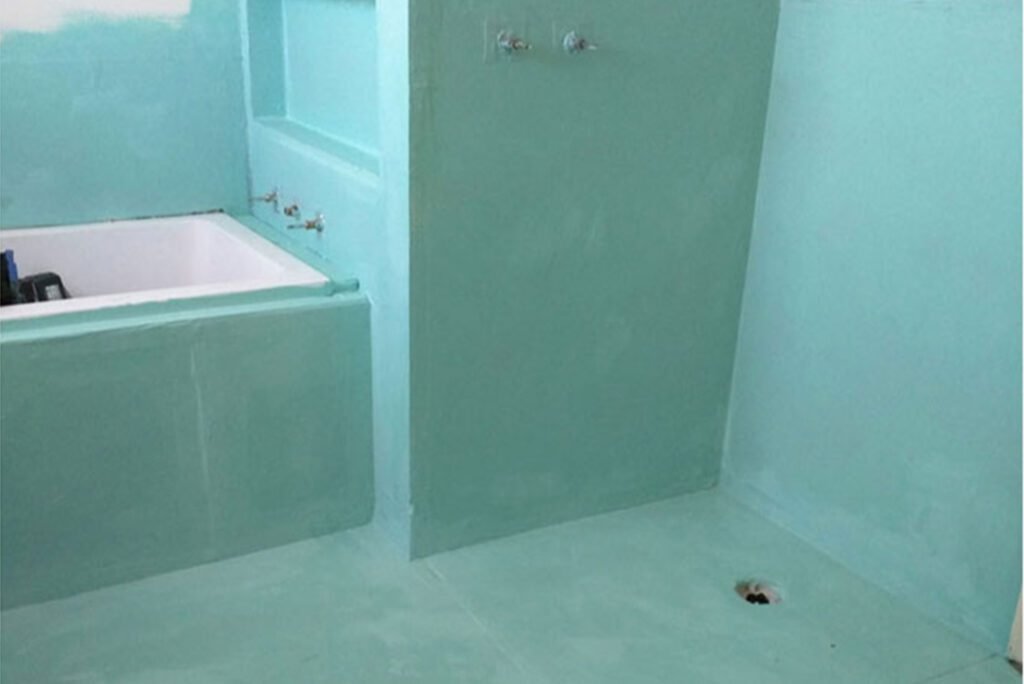
We’ve supplied YURU water-based polyurethane waterproof coating to a customer in Australia who used it indoors during winter.
The customer reported good results from the application. The material had also been stored in accordance with our product instructions rather than being left outside in unsuitable conditions.
It’s a useful example of how indoor waterproofing can be carried out during the colder months when the material is handled and applied under appropriate conditions.
How Does WOPC-2 Perform After Curing?
A waterproof coating has to do more than go on smoothly. Once installed, the finished membrane has to handle whatever conditions it will face in service.
For projects in colder climates, low-temperature flexibility is one property worth checking.
YURU WOPC-2 has been tested at -10°C, with no cracking recorded in the low-temperature flexibility test.
Its technical data sheet also reports the following results:
| Property | Test result |
| Low-temperature flexibility | No cracks at -10°C |
| Tensile strength | 1.3 MPa |
| Elongation at break | 305% |
| Water impermeability | Impermeable at 0.3 MPa for 30 minutes |
The application stage and the finished membrane have different requirements. WOPC-2 is generally applied above 0°C, while its cured film has demonstrated flexibility at -10°C.
This distinction is especially relevant to contractors working in areas with cold winters. They need a suitable installation window as well as a membrane capable of performing in the expected service conditions.
YURU supplies single-component water-based polyurethane waterproof coating for building waterproofing applications, including bathrooms, roofs, and underground structures.
For projects with specific temperature requirements, our technical team can help review the appropriate product formulation and application conditions.
Storing Water-Based Polyurethane Coating During Winter
Storage deserves as much attention as application — especially when coatings arrive during the colder months.
Waterborne materials can be damaged if they freeze before use. Changes in consistency or separation may affect how the material spreads and forms a film.
The Roof Coatings Manufacturers Association also addresses cold-weather storage and recommends following the manufacturer’s instructions for water-based coatings.
For WOPC-2, YURU specifies a dry, ventilated storage area, protected from direct sunlight and rain. Containers should be sealed after opening, and the stated shelf life is 12 months.
In winter, keep the material protected from freezing during transport and storage. Don’t leave containers outside overnight when freezing weather is expected.
If a batch has been exposed to freezing temperatures, set it aside for inspection. Unusual lumps, separation, or changes in consistency should be checked with the manufacturer before the material is used.
For distributors supplying projects in cold regions, suitable warehouse conditions and careful handling during delivery are particularly important.
Frequently Asked Questions
Can I apply water-based polyurethane waterproof coating below 10°C?
YURU generally recommends applying WOPC-2 above 0°C.
A warmer, stable working environment is preferable when temperatures are close to freezing, particularly when several coats are required.
Other formulations may have different application limits, so the specified product requirements should guide the work.
Can I keep the windows closed while the coating dries?
No. The coating area needs suitable fresh-air ventilation during application and drying.
Mechanical exhaust ventilation can be used where opening windows would make the room too cold.
Keep the required ventilation in place after application, following the product’s safety instructions and the site’s occupancy arrangements.
What happens if water-based polyurethane coating freezes in storage?
Freezing may affect the liquid coating’s stability.
Set aside containers exposed to freezing temperatures and check for changes in consistency or separation. Contact the manufacturer for assessment before use.
Conclusion
Water-based polyurethane waterproof coating can be used during winter, with the right application conditions.
For YURU WOPC-2, we generally recommend working above 0°C and protecting the coating from freezing while it dries. Once cured, the membrane has demonstrated low-temperature flexibility at -10°C.
Indoor projects offer greater control over temperature, but still need fresh-air ventilation and moisture management. Outdoors, a suitable weather window is essential.
Contractors and distributors planning winter waterproofing work can contact YURU Waterproof to discuss product selection, storage, and application requirements for their projects.
YURU Product solutions