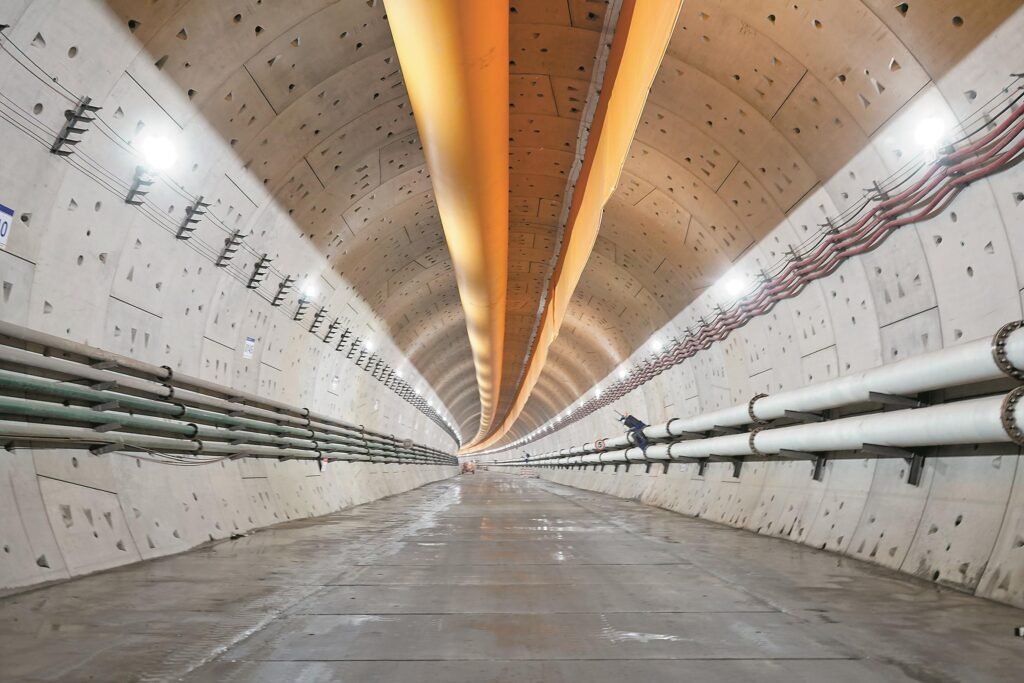
YURU Injection Grout
We have different types of Injection Grout materials for you
YURU Waterproof has state-of-the-art technology, and an exceptional workforce. We can design, manufacture, deliver your injection grout materials into reality according to your requirements.

OPU Hydrophobic Polyurethane Foam Grout
Oily hydrophobic polyurethane grouting material is injected into the concrete. After chemical reaction with water, can penetrate into the tiny gaps, expand and solidify, achieving the purpose of complete water stopping.
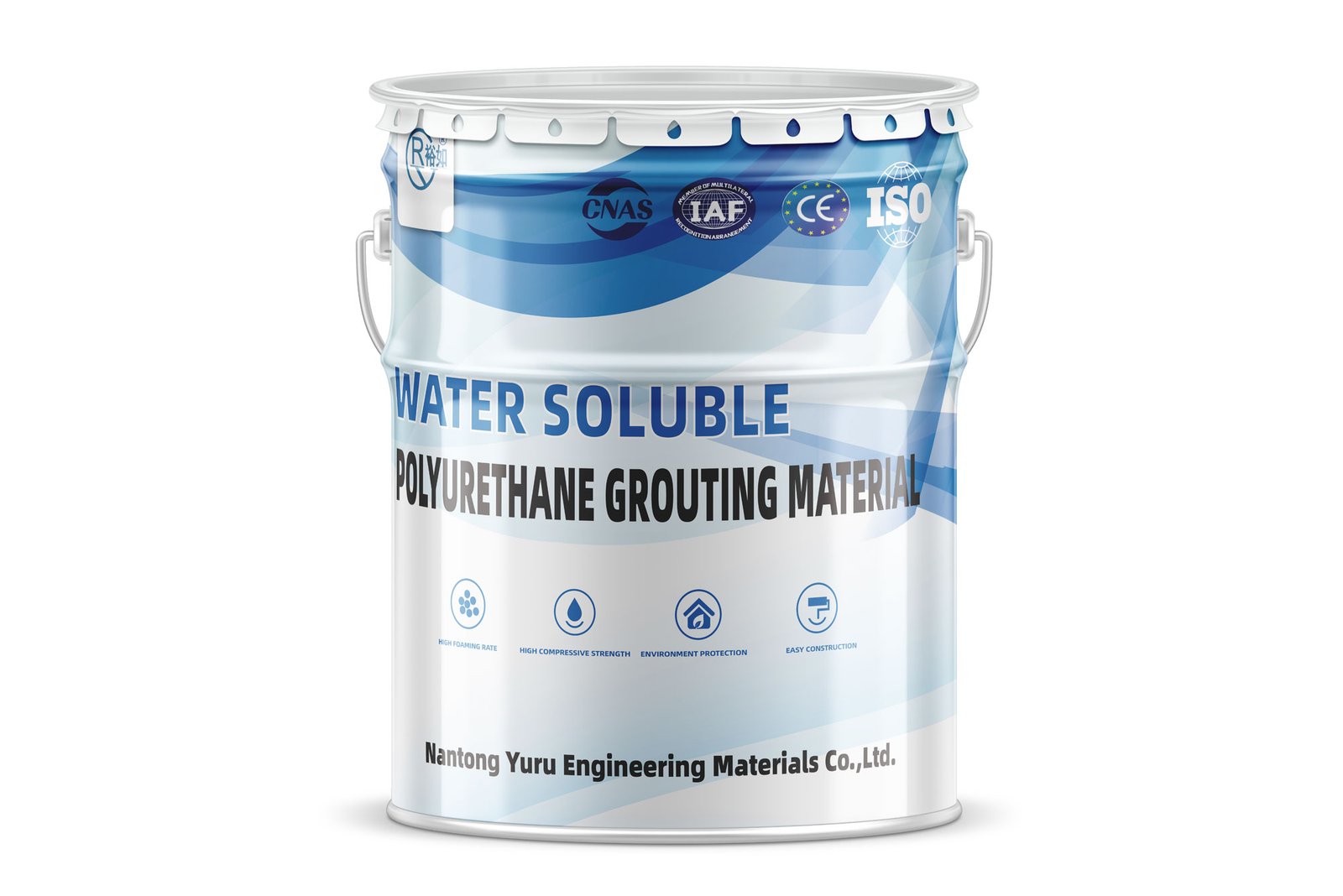
WPU Hydrophilic Polyurethane Chemical Grout
Water-based polyurethane grouting material has good hydrophilicity. When it comes into contact with water, it undergoes a chemical reaction to form an elastic colloidal solid body, thus achieving an excellent water-stopping purpose.

Acrylate Acid Resin Grouting Material
Acrylate grouting material is a grouting resin mainly composed of acrylate, which is mainly used to control water penetration in basements, back kitchens, and waterways, and to stabilize and solidify loose soil.

Two-component Epoxy Resin Grouting
Epoxy resin grouting material is a highly effective waterproof and leak-proof material with low viscosity, good fluidity, and good impermeability and durability after solidification.

Polyurea grouting material
It can effectively cover cracks and solve the leakage and re-leakage problems of structural cracks such as deformation joints, expansion joints, and joints.
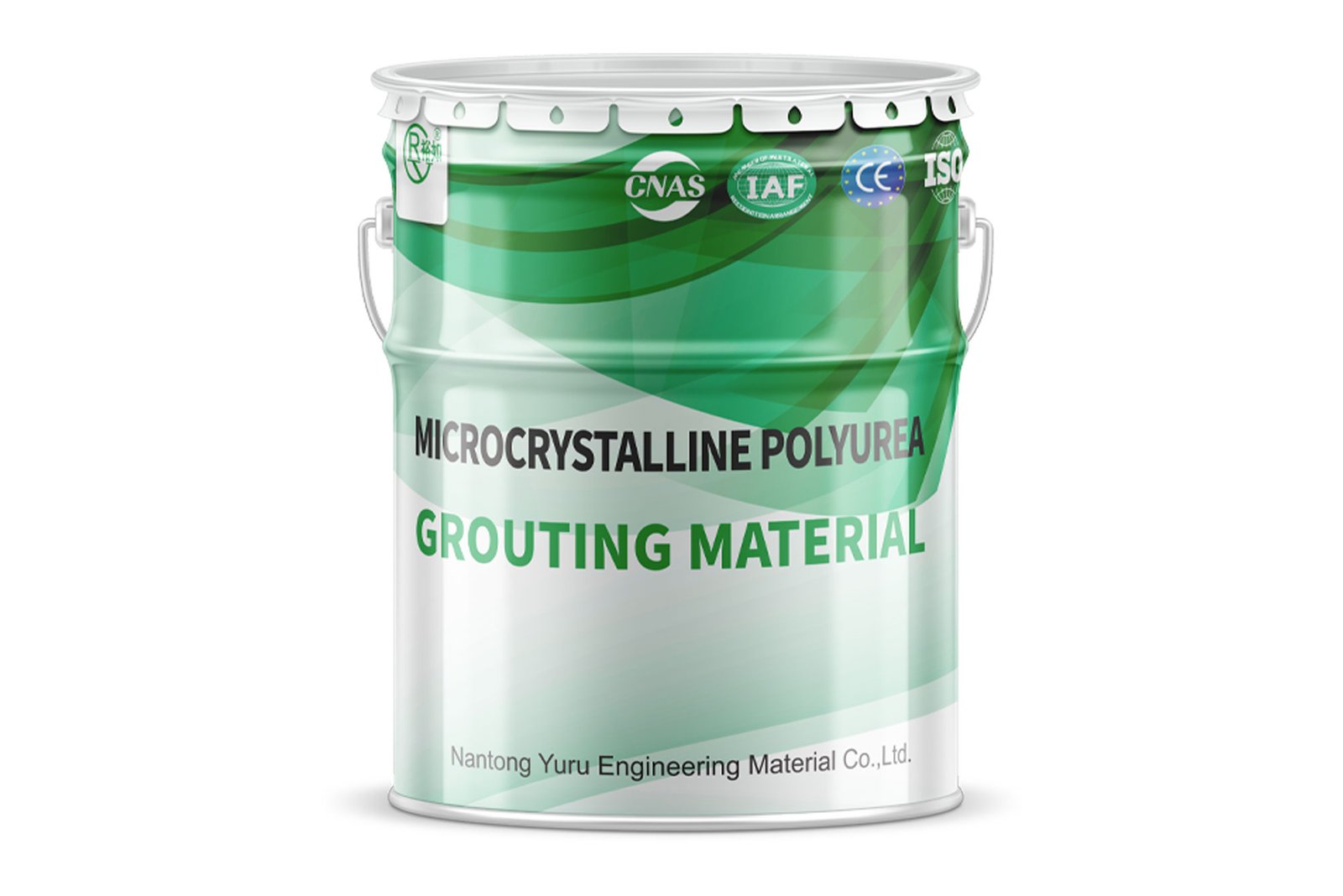
Microcrystalline Polyurea Grouting Material
Microcrystalline polyurea grouting with exceptional elasticity, strong adhesion, and self-healing capability, specifically engineered for dynamic environments and long-lasting waterproofing performance.
YURU Injection Grouting Materials Customized to Your Projects
Looking for something more specific? Don’t worry, we’re flexible.
Tell us what you need and let’s make it happen. As experts in the waterproof industry, we know our way around any type and design. So, all that’s left is for you to share your vision and we’ll take care of the execution.
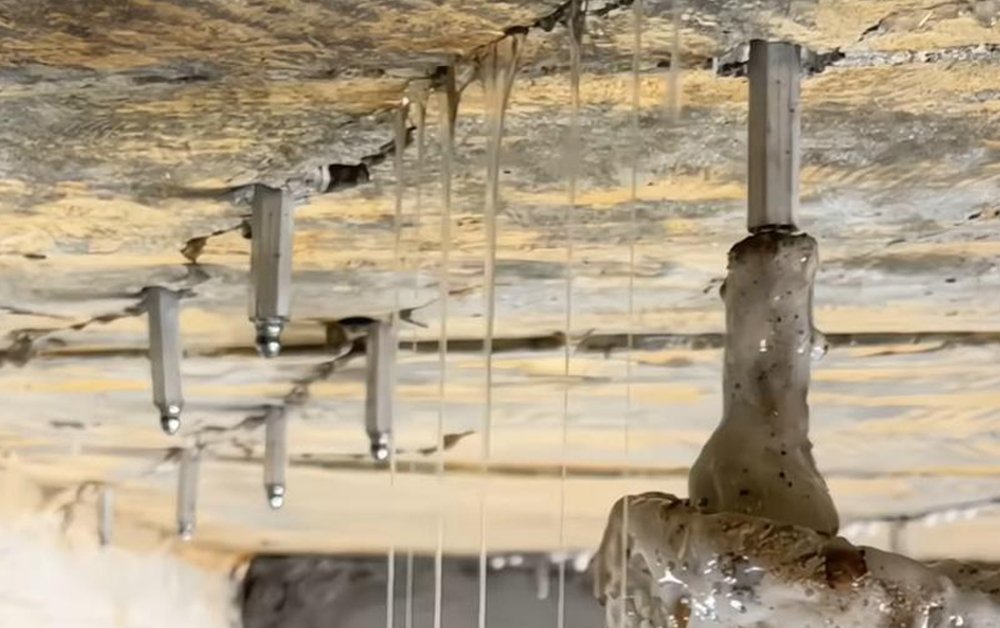
Injection Grout Specialists at YURU Waterproofing
As a professional custom waterproof paint and injection grout manufacturer and wholesale supplier, we make it a point to constantly have our finger on every step of production, from raw material to distribution. Our injection grout products adhere to strict quality standards and are made only from high-quality materials.
Different Types of Injection Grout
Before you delve into the research on what injection grout product you want, it pays to understand which types of injection grout product will best achieve the waterproofing you want. The good news is that the basics are simple.
There are five main types of injection grout product you need to consider when choosing a injection grout product:
Oil-based Hydrophobic Polyurethane Foam Grouting Material
Suitable for filling cracks in tunnels, subways, dams, basements, brick structures, etc. It has good hydrophobicity and reacts quickly with water, foaming, expanding and solidifying to achieve the effect of waterproofing and leak-proofing. In addition, 0il-based polyurethane foam grouting material is also widely used for filling dry and wet cracks on concrete components, as well as reinforcing all contact surfaces of actual masonry.
Water-based hydrophilic polyurethane grouting materials
React quickly with water to form an impermeable elastic colloid solid body with good hydrophilic bonding. They are used for the reinforcement and protection of concrete structures to improve the overall stability and durability of the structures. Widely used in projects that require waterproofing and plugging, such as water conservancy and hydropower, tunnels, and basements. They are also suitable for plugging and leakage problems in dynamic water geological structures to ensure the integrity and safety of the structures.
Acrylate grouting material
High fluidity, fast solidification, excellent water resistance and durability. It can penetrate into fine cracks and pores, fill the gaps in the building structure, thereby achieving the purpose of reinforcement and sealing. It can be used to control water penetration in basements, back kitchens, waterways, and stabilize and solidify loose soil.
Epoxy resin grouting material
Highly effective waterproof and leak-proof material with good pourability, high strength, strong bonding, good impermeability and durability. It mainly uses grouting equipment to smoothly fill the gaps and pores in the stratum or structure to prevent leakage, and can be injected into the concrete structure through a high-pressure grouting machine. Epoxy resin grouting material is mainly suitable for projects such as concrete structure reinforcement, leak plugging and crack repair.
Polyurea Grout
The polymer single-liquid plugging grouting material with the characteristics of high solid content, no shrinkage, hydrophilic reaction, high tensile ductility, etc. It can effectively cover cracks and solve the leakage and re-leakage problems of structural cracks such as deformation joints, expansion joints, and joints. Suitable for grouting and plugging leakage in cracks of all concrete structures such as housing construction, public buildings, underground projects, subways, tunnels, and pipe galleries. It is also suitable for grouting to stop leakage in structures with large vibrations and deformations, such as shield segments and post-casting belts.
The above are five different types of chemical injection grouting materials. When using these chemical grouting materials, they need to be operated together with high-pressure grouting machines and injection packers. The main function of grouting pumps and injection packers is to inject slurry into the formation or building under pressure to achieve the purpose of reinforcement, waterproofing, plugging leaks, etc.
Common grouting machines include single-liquid grouting machines and double-liquid grouting machines. Injection grouting packers also have various models, such as A8, A10, B8, etc., which are suitable for different engineering needs and environments.
In order to achieve the best effect, it is recommended to select injection grout products according to your usage environment and characteristics.
Viscosity is one of the key parameters when comparing injection grouting materials, but lower viscosity does not automatically mean better penetration. Working time, joint geometry, water condition, injection pressure, and grout chemistry also affect how far the material can travel inside concrete. Read our engineering guide on “how injection grout viscosity affects penetration into concrete joints”.
Crack width alone does not fully describe how grout will move inside concrete. Internal narrowing, branching, tortuosity, roughness, and connected voids can all change grout distribution and penetration. Learn more about how joint geometry affects injection grout distribution and penetration.
Our experts are ready to provide you with tailor-fit recommendations to help you achieve your goal. Just send your inquiry now!
Construction Methods of Chemical Injection Grout
Grouting plugging materials can penetrate deep into the cracks to form a solid sealing layer, effectively preventing water from penetrating and ensuring the safety and durability of the structure.
1. Material preparation:
Select appropriate grouting materials according to the leakage situation and prepare relevant construction equipment.
2. Environmental testing:
Determine the source of the leakage water and the depth of the cracks to provide a basis for subsequent construction.

3. Crack treatment:
Clean the impurities on the surface of the cracks, install the grouting nozzle, and ensure that the grouting material can fully penetrate into the cracks.
4. Grouting operation:
Inject the grouting material into the cracks through the grouting equipment to ensure that the material can fully fill the cracks and achieve a water-stopping effect.
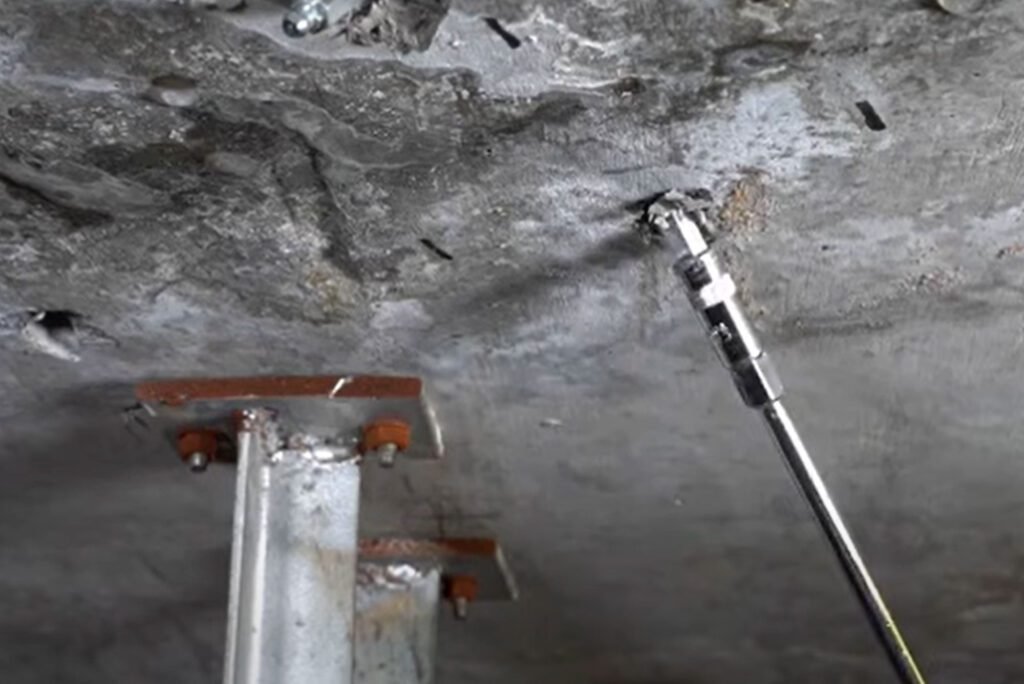
Which Injection Grout Fits Your Site Conditions?
Different leakage and crack conditions call for different grout systems. Use these starting points to shortlist YURU materials, then confirm the formulation and technical data against your project’s water flow, joint movement and injection requirements.
- Identify water flow and crack condition
- Check movement and penetration needs
- Review the correct formulation and TDS
Active Water Leakage
For leaking concrete cracks or joints with water movement, begin by assessing a water-reactive PU grout. Strong or fast-flowing leaks may require a separate, fast-reacting two-component PU system.
Material direction: Hydrophobic PU grout
Water-reactive expansion can help interrupt suitable leakage paths.
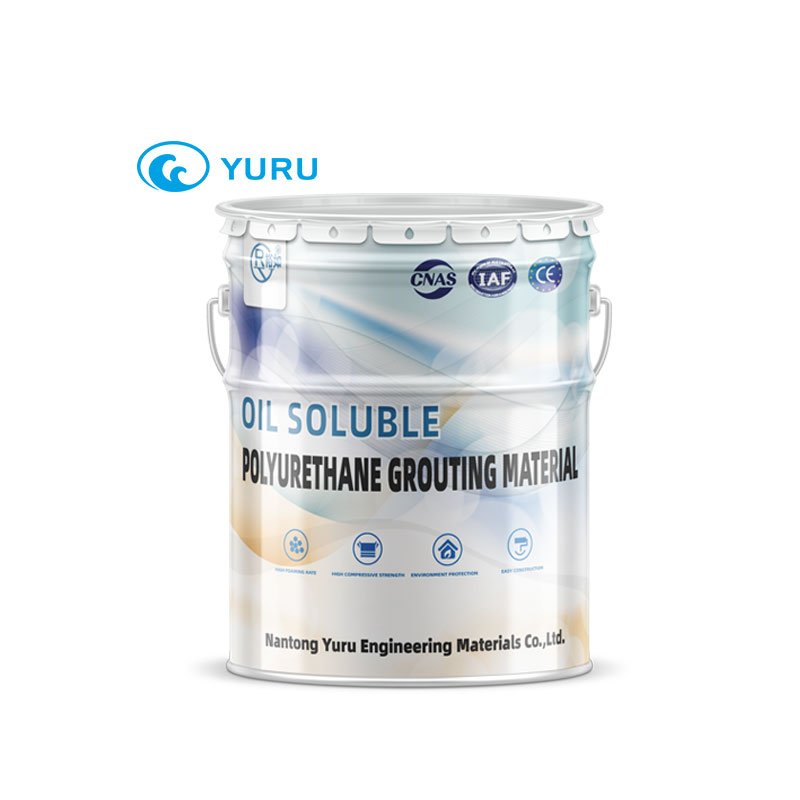
Confirm: flow rate, water pressure, crack path and reaction time. The linked OPU product must not be assumed suitable for every severe inflow.
Fine Seepage & Narrow Cracks
Where water seeps through narrow, connected pathways, a low-viscosity acrylate gel can be a candidate. The formulation must remain workable long enough to reach the treatment zone.
Material direction: Acrylate grout
Low viscosity and formulation-dependent gel time for suitable seepage control and soil stabilization.
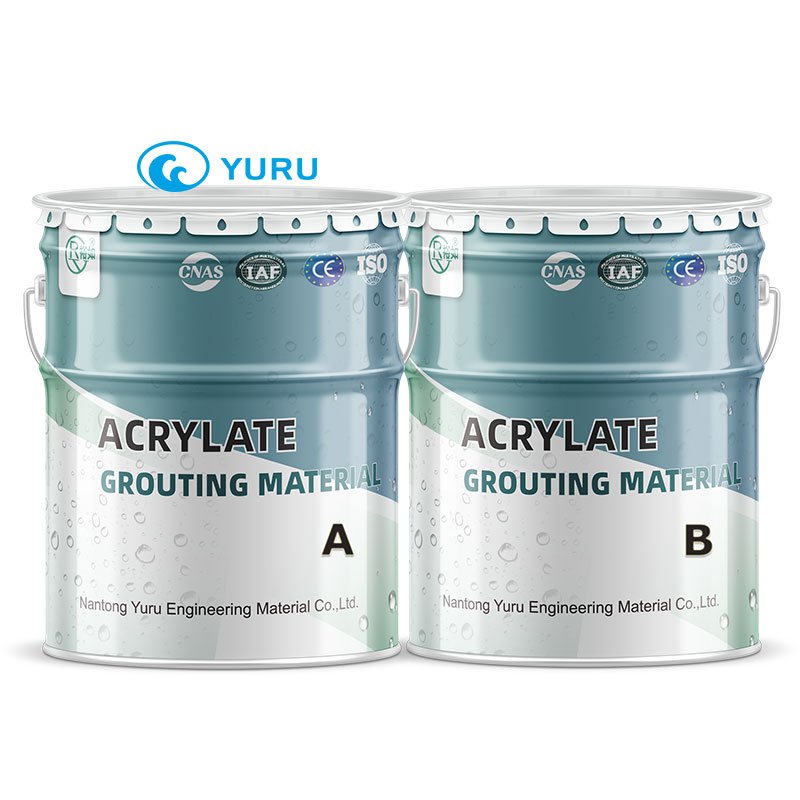
Confirm: pathway geometry, gel time and washout risk. Not a suitable option for severe, sudden flowing water or structural crack bonding.
Movement-Prone Concrete Joints
For selected expansion or deformation joints that require flexible waterproof sealing, assess polyurea injection grout after checking expected joint movement and site water conditions.
Material direction: Polyurea grout
Flexible cured sealing for suitable movement-prone joints.

Confirm: joint geometry, required flexibility and leakage severity. Not a default option for severe active inflow or structural strengthening.
Dry, Stable Structural Cracks
When the repair objective is structural crack bonding rather than water stopping, structural epoxy injection resin is a candidate for properly prepared, dry, non-leaking cracks.
Material direction: Epoxy injection resin
Rigid bonding where structural repair is required and conditions are compatible.
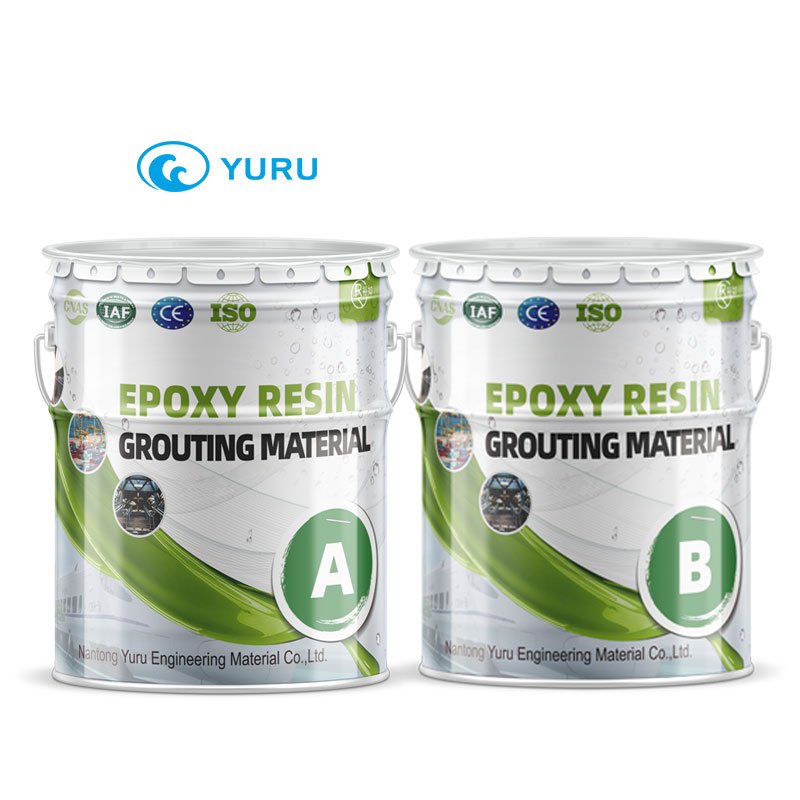
Confirm: moisture condition, crack stability and strength requirements. Do not choose epoxy for active flowing-water leakage.
How Does the Structure Change the Selection?
Basements and tunnels are project environments, match the material to the actual leakage path and repair objective.
Basements & Underground Parking
Leakage through construction joints, wall cracks and underground interfaces may call for PU or hydrophilic PU under suitable wet conditions. For distributed fine seepage, compare acrylate after checking the flow and penetration requirements.
Tunnels & Infrastructure Joints
Separate active inflow from fine seepage and movement-prone segment joints. PU, acrylate or polyurea may be evaluated for different repair goals; a microcrystalline polyurea formulation should be assessed separately against its own TDS.
Need to Shortlist a Grout for Bulk Supply?
Share the leak condition, crack or joint type, project environment, destination market and estimated quantity. YURU can discuss suitable formulations, technical documents, samples and OEM/ODM requirements.
Request an Instant Quote for Your Injection Grout Projects Today
Get an instant quote or let us know what you’re looking for and we’ll get back to you soon!