
Epoxy Colored Sand Self-Leveling Flooring: What Technical Parameters Should Buyers Check?

Quick Answer When evaluating epoxy colored sand self-leveling floor paint, start with the floor’s actual service conditions. Heavy forklift traffic puts more weight on wear resistance, load performance, and substrate quality. Commercial interiors place greater emphasis on surface consistency, cleanability, appearance, and maintenance. Projects exposed to oils or cleaning chemicals need relevant resistance data. After […]
Epoxy Colored Sand Self-Leveling Flooring vs Regular Epoxy Flooring: What’s the Difference?

Epoxy colored sand self-leveling flooring and regular self-leveling epoxy use the same basic epoxy chemistry, but the material structure and application behavior are different. In a regular self-leveling epoxy flooring, the material is designed primarily to form a smooth and uniform resin-rich surface. In YURU epoxy colored sand self-leveling flooring, colored sand is already integrated […]
Can Silane/Siloxane Waterproofing Agent Be Used as a DPC Injection Material?

Quick Answer: Yes, but only if the material is designed for wall injection and rising damp control. A surface silane/siloxane waterproofing agent reduces water absorption on the outside face of masonry. A DPC injection material must enter the wall section and help form a chemical barrier against capillary rising damp. YURU Waterproof supplies Premium Silane/Siloxane […]
How We Check Epoxy Colored Sand Floor Paint Samples Before Bulk Orders?

Quick Answer: YURU Waterproof checks epoxy colored sand floor paint samples before bulk orders by reviewing product identity, batch information, color, pre-mixed sand distribution, workability, curing behavior, surface finish, TDS, SDS, packaging, and sample-to-bulk consistency. A sample should not be approved only because it looks attractive in a photo. The cured sample board, color record, […]
How We Test Polyurethane Waterproof Coating Flexibility?

Quick Answer: YURU Waterproof tests polyurethane waterproof coating flexibility by checking a cured film made from two-component polyurethane waterproof coating. The film is bent, folded, or stretched during review. We look for cracks, tearing, whitening, soft areas, edge damage, and film continuity. This test helps customers see how the cured 2K PU coating film behaves […]
Why Does PU Grout Foam Too Quickly?
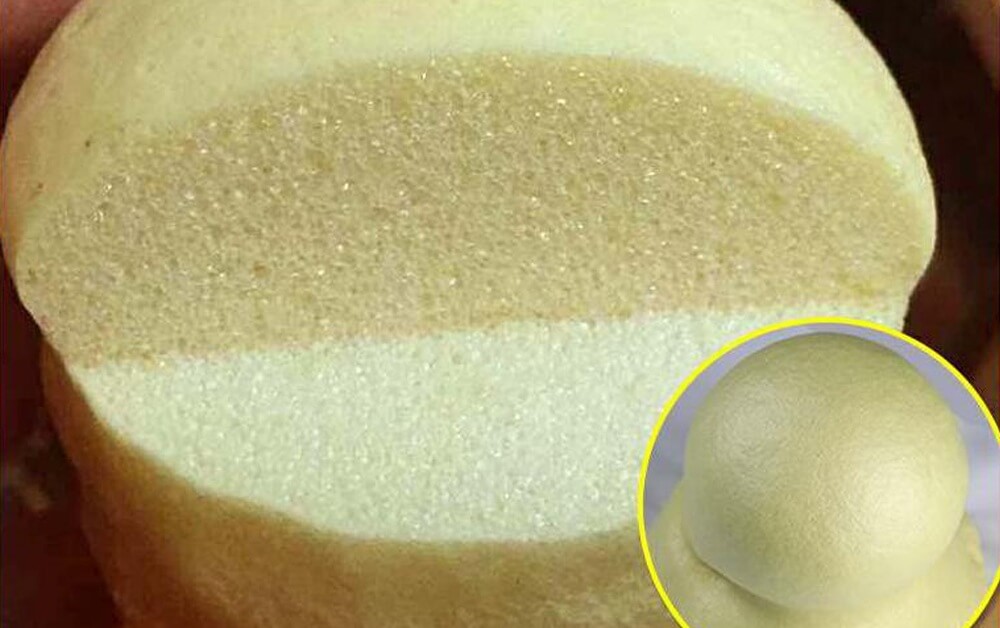
Quick Answer: PU grout may foam too quickly because the product is designed for rapid water stopping, it contacts too much water too early, site temperature is high, catalyst or accelerator dosage is too high, or the selected grout reacts too fast for the required penetration distance. Fast foaming is not automatically a quality defect. […]
Flexible vs Rigid Waterproof Coating: What Should Contractors Choose?

Quick Answer: Flexible waterproof coatings are usually better for substrates where cracks, thermal movement, vibration, or minor structural movement may occur. Rigid waterproof coatings are more suitable when the substrate is stable and movement is limited. The right choice also depends on moisture exposure, UV exposure, surface use, substrate strength, coating thickness, and the product […]
Why Does Waterproof Coating Fail to Bond to Concrete?
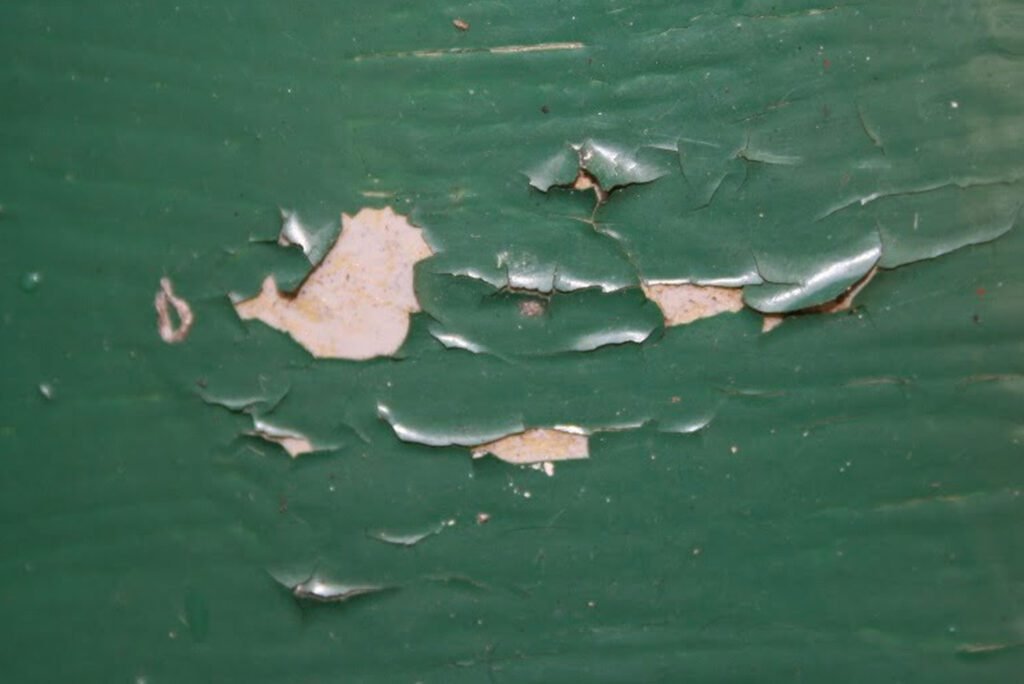
Quick Answer Waterproof coating adhesion failure to concrete typically results from substrate moisture, surface contamination, inadequate preparation, incompatibility, or improper application. Additional causes include primer omission, mixing errors, unfavorable curing conditions, or application over unstable existing coatings. Prior to material evaluation, assessment should address concrete surface condition, moisture history, surface strength, primer requirements, application methodology, […]
How to Evaluate Waterproof Material Samples Before Bulk Orders?
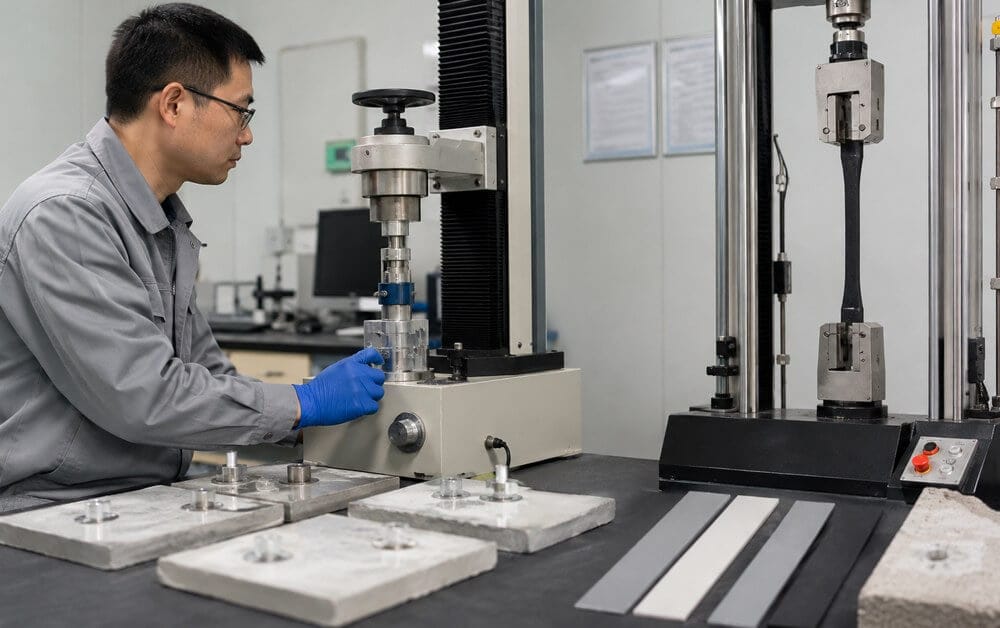
Quick Answer Before approving waterproof material samples for a bulk order, check product identity, batch information, packaging, appearance, workability, curing behavior, key technical parameters, and consistency with the supplier’s TDS or test reports. A good sample should not only work once. It should be traceable, repeatable, and close to future production batches. Ask the supplier […]
Why Does Polyurethane Waterproof Coating Bubble After Application?
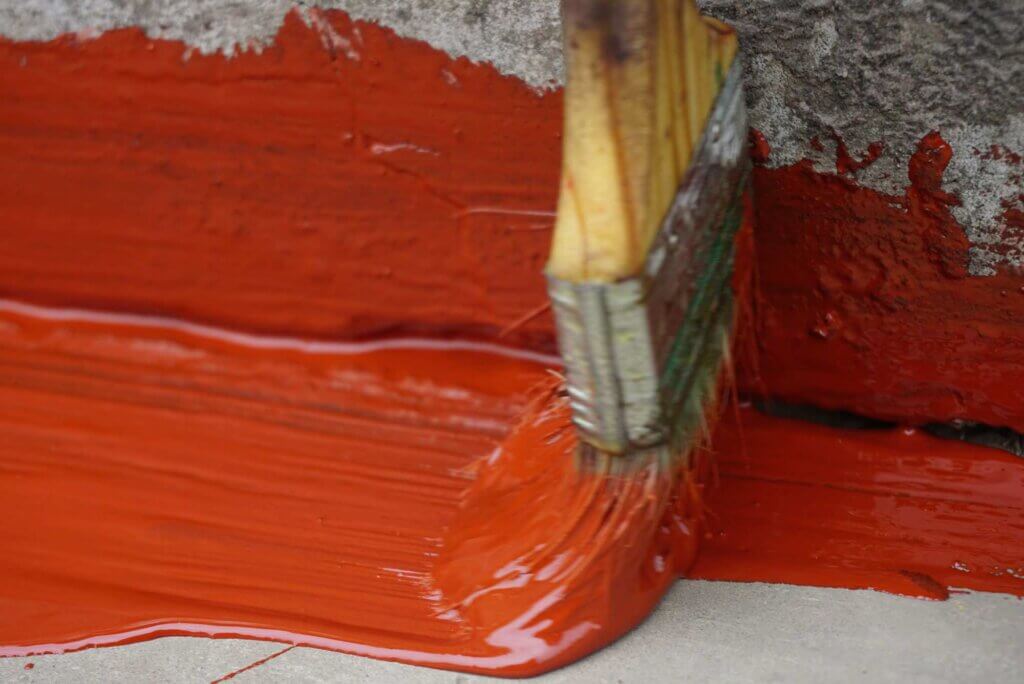
Quick Answer Polyurethane waterproof coating can bubble after application when moisture, trapped air, poor surface preparation, excessive film thickness, high surface temperature, or incorrect mixing affects film formation. The coating may not be defective. In many cases, the real problem sits under the coating film. Check when the bubbles appeared, where they formed, and what […]